English
 Español
 tiếng việt
 русский
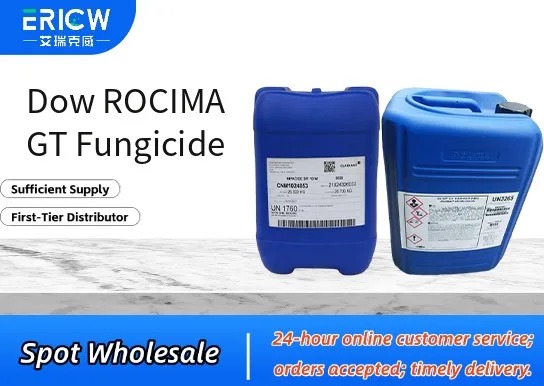
Broad-spectrum fungicidal activity against key spoilage yeasts, molds, and bacteria in water-based industrial systems.
Stable across a wide pH range (pH 4–10), ensuring consistent performance in diverse formulation environments.
Low volatility and minimal odor profile, supporting safer handling and improved workplace compliance.
Compatible with common surfactants, thickeners, and co-biocides, enabling seamless integration into complex product matrices.
Non-oxidizing chemistry that avoids corrosion concerns associated with traditional oxidizing biocides.
Preservation of architectural coatings and decorative paints during storage and application.
Protection of adhesives and sealants against microbial degradation in manufacturing and end-use conditions.
Stabilization of water-based inks used in flexographic and gravure printing processes.
Microbial control in metalworking fluids to extend sump life and maintain fluid integrity.
Preservation of construction chemicals including cementitious additives and grouts.
| Chemical Type | Isothiazolinone-based blend (active ingredients: 5-chloro-2-methyl-4-isothiazolin-3-one and 2-methyl-4-isothiazolin-3-one) |
| Product Form | Liquid concentrate |
| Appearance | Pale yellow to light amber clear liquid |
| pH (1% aqueous solution) | 2.5–4.5 |
| Density (20°C) | 1.08–1.12 g/cm³ |
| Solubility | Completely miscible with water |
| Primary Applications | Industrial preservative for water-based formulations |
| Storage Stability | ≥24 months at 5–30°C in original sealed container |
Q1: What is the primary mode of action of Dow ROCIMA GT Fungicide?
A: Dow ROCIMA GT Fungicide functions as a broad-spectrum preservative with a multi-site mode of action, disrupting essential fungal cellular processes including membrane integrity and metabolic activity. This helps minimize the risk of resistance development in target microorganisms.
Q2: In which types of industrial water systems is Dow ROCIMA GT Fungicide typically applied?
A: It is commonly used in recirculating cooling water systems, process water loops, and other non-potable industrial water applications where microbial growth—particularly slime-forming bacteria and fungi—can compromise system efficiency and material integrity.
Q3: How does Dow ROCIMA GT Fungicide perform under varying pH and temperature conditions?
A: The formulation demonstrates good stability and efficacy across a broad operational range, maintaining performance in typical industrial water pH levels (6.0–9.0) and at elevated temperatures commonly encountered in cooling and process systems.
Q4: Is Dow ROCIMA GT Fungicide compatible with common corrosion inhibitors and scale control agents?
A: Yes, it is generally compatible with many standard water treatment chemistries, including phosphonate- and polymer-based scale inhibitors and common azole- or molybdate-containing corrosion inhibitors—though compatibility testing under specific system conditions is recommended prior to full-scale implementation.
Q5: What is the typical dosage range for effective microbial control?
A: Dosage depends on system dynamics, microbial challenge, and water quality, but it is typically used at low concentrations—generally ranging from 0.1% to 2% by weight of active ingredient in the treatment program—applied continuously or intermittently based on monitoring results.
Contact With Us:
E-mail: wangxingqiang@ericwchem.com
Have a Questions? Call Us:
Add:
Building A1, Jiete Industrial Park, Huangpu District, Guangzhou City, Guangdong Province, China