English
 Español
 tiếng việt
 русский
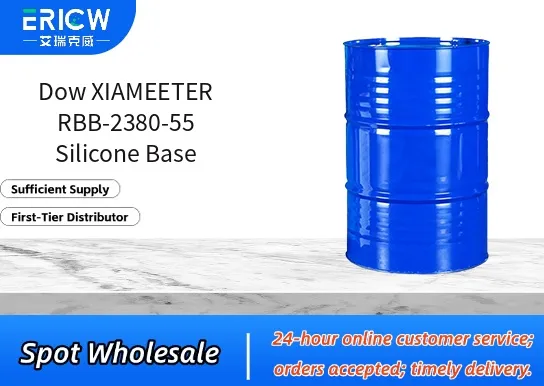
High-purity, low-volatility silicone base designed for precision formulation in sensitive applications.
Excellent thermal stability and consistent rheological behavior across extended processing temperatures.
Low metal ion content to minimize catalytic interference in downstream polymerization or coating systems.
Optimized compatibility with common silicone elastomers, resins, and functional additives.
Supplied under strict quality control with batch-specific Certificates of Analysis (CoA).
Base fluid for high-clarity, heat-resistant silicone gels used in LED encapsulation.
Carrier medium in medical-grade silicone lubricants and topical delivery systems.
Key ingredient in specialty release coatings for high-performance industrial liners.
Formulation component for automotive under-hood thermal interface materials (TIMs).
Processing aid in platinum-cure liquid silicone rubber (LSR) for thin-wall molding.
| Chemical Type | Methylvinylsiloxane-based linear polydimethylsiloxane (PDMS) with controlled vinyl functionality |
| Product Form | Liquid |
| Appearance | Clear, colorless to pale yellow, odorless liquid |
| Primary Applications | High-performance silicone elastomer formulations, thermal management materials, medical device lubricants |
| Key Features | Low volatile content, batch-to-batch consistency, high purity, low ash residue |
| Benefits | Enhanced product shelf life, reduced outgassing in vacuum environments, improved catalyst efficiency |
| Storage Conditions | Store in original sealed container at 15–25°C; protect from moisture and direct sunlight |
| Regulatory Compliance | Meets USP Class VI requirements; compliant with REACH and RoHS directives |
Q1: What is the primary function of Dow XIAMEETER RBB-2380-55 in coating and ink formulations?
A: Dow XIAMEETER RBB-2380-55 is a silicone-based additive designed to enhance surface leveling, reduce surface defects such as orange peel and craters, and improve substrate wetting—particularly on low-energy or difficult-to-wet surfaces. It functions primarily as a flow and leveling agent, not as a primary binder or film former.
Q2: Is RBB-2380-55 compatible with waterborne and solventborne systems?
A: Yes, RBB-2380-55 exhibits broad compatibility across both waterborne and solventborne coatings, inks, and adhesives. Its formulation allows for stable incorporation without significant risk of phase separation or foam generation when properly dispersed, though compatibility testing under actual formulation conditions is recommended.
Q3: How should RBB-2380-55 be incorporated into a formulation?
A: It is typically added during the let-down stage, after pigments and main resins have been dispersed. Gentle mixing is recommended to avoid air entrapment. Pre-dilution with a compatible carrier solvent or resin solution may aid uniform distribution, especially in high-viscosity systems.
Q4: Does RBB-2380-55 affect recoatability or intercoat adhesion?
A: When used within the recommended dosage range, RBB-2380-55 generally does not impair intercoat adhesion or recoatability. However, excessive dosage may lead to surface migration and potential intercoat adhesion issues—therefore, optimization and adhesion testing are advised for critical multilayer applications.
Contact With Us:
E-mail: wangxingqiang@ericwchem.com
Have a Questions? Call Us:
Add:
Building A1, Jiete Industrial Park, Huangpu District, Guangzhou City, Guangdong Province, China