English
 Español
 tiếng việt
 русский
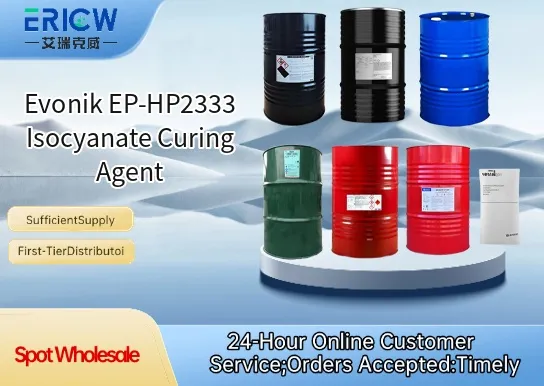
Aliphatic polyisocyanate based on hexamethylene diisocyanate (HDI) trimer chemistry.
Low volatility and reduced monomer content for improved occupational safety and regulatory compliance.
Excellent compatibility with hydroxyl-functional acrylic, polyester, and polyol resins.
Provides outstanding UV stability, gloss retention, and weather resistance in cured coatings.
Designed for ambient- and forced-dry curing systems with balanced reactivity and pot life.
High-performance automotive OEM and refinish clearcoats.
Industrial maintenance coatings for metal and plastic substrates.
Architectural and façade coatings requiring long-term color and gloss stability.
Plastic coatings for exterior automotive parts and consumer electronics housings.
Two-component polyurethane topcoats for wood and composite surfaces.
| Chemical Type | Aliphatic HDI-based polyisocyanate (trimer) |
| Product Form | Liquid |
| Appearance | Clear, pale yellow liquid |
| NCO Content (wt %) | 19.5–20.5% |
| Viscosity (25 °C, mPa·s) | 800–1200 |
| Density (20 °C, g/cm³) | 1.16–1.19 |
| Storage Stability | ≥12 months at ≤25 °C in sealed containers |
| VOC Content (g/L) | ≤100 (as per ISO 11890-2) |
Q1: What is the primary chemical nature of EP-HP2333?
A: EP-HP2333 is a low-viscosity, aliphatic polyisocyanate based on hexamethylene diisocyanate (HDI) trimer chemistry, designed for high-performance two-component polyurethane systems requiring excellent weather resistance and minimal yellowing.
Q2: Which types of resins is EP-HP2333 typically compatible with?
A: EP-HP2333 is formulated to react efficiently with hydroxyl-functional resins including acrylics, polyesters, and polyethers — especially in high-solids and solventborne coatings for industrial and protective applications.
Q3: How does EP-HP2333 contribute to film performance in cured coatings?
A: It delivers enhanced crosslink density, resulting in improved hardness, chemical resistance, and mechanical durability while maintaining flexibility and gloss retention — particularly valuable in demanding outdoor and automotive refinish environments.
Q4: What are key handling and storage recommendations?
A: EP-HP2333 should be stored in tightly sealed containers under dry, cool conditions away from moisture, heat, and direct sunlight. It is moisture-sensitive and requires strict exclusion of water during handling to prevent premature gelation or CO₂ formation.
Q5: Can EP-HP2333 be used in low-VOC formulations?
A: Yes — its low viscosity and high functionality allow formulators to achieve target solids content with reduced solvent demand, supporting compliance with evolving low-VOC regulatory frameworks without compromising cure speed or final film properties.
Contact With Us:
E-mail: wangxingqiang@ericwchem.com
Have a Questions? Call Us:
Add:
Building A1, Jiete Industrial Park, Huangpu District, Guangzhou City, Guangdong Province, China