English
 Español
 tiếng việt
 русский
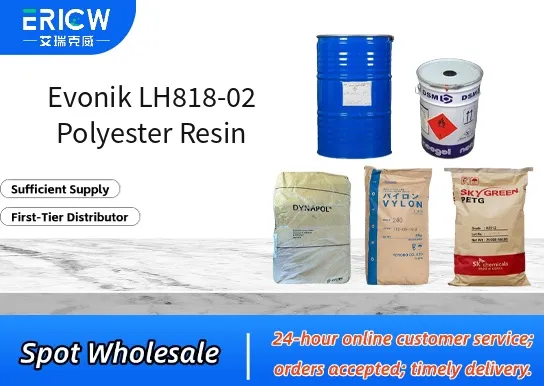
High reactivity with standard peroxide initiators for rapid gelation and efficient production cycles.
Excellent compatibility with common glass fiber reinforcements and mineral fillers.
Good weather resistance and UV stability in cured laminates.
Low styrene emission profile, supporting improved workplace safety and regulatory compliance.
Consistent batch-to-batch rheology and molecular weight distribution for reliable process control.
Fiberglass-reinforced plastic (FRP) tanks and chemical storage vessels.
Pultruded profiles for structural components in construction and infrastructure.
Sheet molding compound (SMC) formulations for automotive exterior parts.
Centrifugally cast pipes for water and wastewater treatment systems.
Marine deck and hull components requiring corrosion resistance and mechanical durability.
| Chemical Type | Unsaturated orthophthalic polyester resin |
| Product Form | Liquid |
| Appearance | Clear to pale yellow viscous liquid |
| Viscosity (25 °C) | 450–650 mPa·s |
| Acid Value | 18–22 mg KOH/g |
| Styrene Content | 38–42 wt% |
| Density (25 °C) | 1.11–1.13 g/cm³ |
| Reactivity Profile | Medium–high (standard MEKP-initiated cure) |
Q1: What is the primary function of LH818-02 in polyester resin systems?
A: LH818-02 is a reactive liquid polyester resin designed to serve as a co-resin or viscosity modifier in unsaturated polyester (UPE) and vinyl ester formulations. It helps improve flow characteristics, enhance filler wetting, and support better fiber impregnation—particularly in composite manufacturing processes such as pultrusion and filament winding.
Q2: Is LH818-02 compatible with common free-radical initiators used in UPE curing?
A: Yes, LH818-02 is fully compatible with standard peroxide initiators—including MEKP, BPO, and LUPEROX® types—commonly employed in ambient or elevated-temperature cure cycles for unsaturated polyester resins. Its reactivity profile supports predictable gel times and full crosslink development without requiring formulation adjustments.
Q3: How does LH818-02 differ from conventional solid or high-viscosity polyester resins?
A: Unlike traditional solid or highly viscous polyesters, LH818-02 is supplied as a low-viscosity, reactive liquid. This enables easier handling, improved homogeneity during blending, and reduced energy input during compounding—especially when incorporating high loadings of fillers or reinforcements.
Q4: Can LH818-02 be used in food-contact or potable water applications?
A: LH818-02 is not pre-approved for direct food-contact or potable water applications. Its suitability for such uses depends on final formulation compliance, regulatory review, and end-product testing. Customers must conduct full regulatory assessment—including migration evaluation—within their specific system context before claiming compliance.
Contact With Us:
E-mail: wangxingqiang@ericwchem.com
Have a Questions? Call Us:
Add:
Building A1, Jiete Industrial Park, Huangpu District, Guangzhou City, Guangdong Province, China