English
 Español
 tiếng việt
 русский
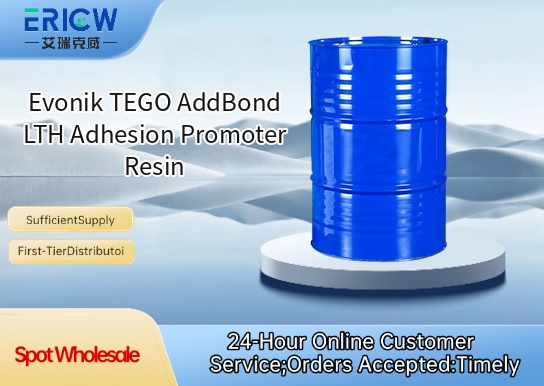
Enhances interfacial adhesion between inorganic substrates (e.g., glass, metals, ceramics) and organic polymer matrices.
Offers excellent hydrolytic stability due to its low-migration, non-hydrolysable silane-free chemistry.
Enables low-temperature curing compatibility — effective at temperatures as low as 80 °C.
Improves long-term durability of bonded joints under thermal cycling and humid conditions.
Compatible with a broad range of resins including epoxies, polyurethanes, acrylics, and silicone systems.
Automotive lighting assemblies (LED headlamp bonding to polycarbonate lenses).
Electronic encapsulation and potting where reliable metal-to-plastic adhesion is critical.
Architectural glazing systems using structural silicone or hybrid sealants.
Medical device housings requiring biocompatible, sterilization-stable adhesive interfaces.
Renewable energy components, such as solar module frame-to-glass bonding.
| Chemical Type | Functionalized oligomeric resin based on tailored alkoxysilane and epoxy-reactive groups |
| Product Form | Clear, low-viscosity liquid |
| Appearance | Colorless to pale yellow transparent liquid |
| Primary Applications | Adhesion promotion for thermoset and thermoplastic composites on inorganic surfaces |
| Key Features | Low-temperature activation, hydrolysis-resistant, solvent-free formulation |
| Benefits | Reduces surface pretreatment needs, extends bond shelf life, improves peel strength and lap shear performance |
| Storage Conditions | Store at 5–25 °C in tightly sealed containers; protect from moisture |
| Shelf Life | 12 months from date of manufacture under recommended storage conditions |
Contact With Us:
E-mail: wangxingqiang@ericwchem.com
Have a Questions? Call Us:
Add:
Building A1, Jiete Industrial Park, Huangpu District, Guangzhou City, Guangdong Province, China