English
 Español
 tiếng việt
 русский
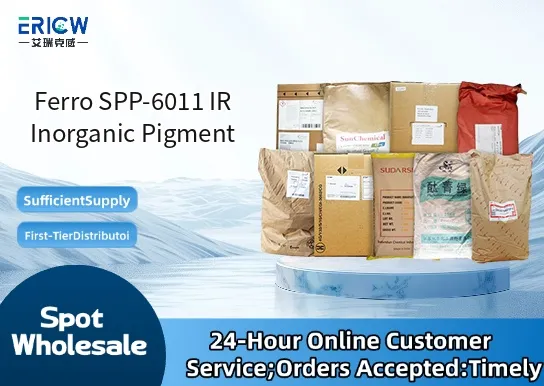
High near-infrared (NIR) reflectance for superior solar heat rejection.
Excellent thermal and UV stability for long-term performance in demanding environments.
Non-toxic, heavy-metal-free formulation compliant with global environmental regulations.
Optimized particle size distribution for consistent dispersion and color uniformity.
Chemically inert and resistant to acid, alkali, and weathering exposure.
Energy-efficient cool roof coatings and membranes.
Solar-reflective exterior wall paints and stucco systems.
Heat-reflective automotive coatings for vehicle exteriors and under-hood components.
Infrared-reflective plastics for building façade panels and outdoor infrastructure.
Thermally insulating industrial maintenance coatings for metal roofs and tanks.
| Chemical Type | Mixed-metal oxide (NIR-reflective spinel) |
| Product Form | Dry powder |
| Appearance | Grayish-black fine powder |
| Primary Applications | Cool coatings, IR-reflective plastics, high-durability architectural finishes |
| Key Features | NIR reflectance >85% (700–2500 nm), low solar absorption |
| Benefits | Reduces surface temperature, lowers HVAC load, extends substrate service life |
| Regulatory Compliance | REACH compliant; RoHS and EN 71-3 tested |
| Storage Conditions | Store in dry, cool, well-ventilated area; avoid moisture exposure |
Q1: What is the primary functional benefit of Ferro SPP-6011 in plastic applications?
A: Ferro SPP-6011 is engineered as an infrared-reflective (IR) inorganic pigment, designed to reduce solar heat buildup in polymer substrates—particularly in exterior automotive components, building materials, and packaging—by selectively reflecting near-infrared radiation while maintaining desired visible color appearance.
Q2: Is SPP-6011 suitable for use in polyolefin-based systems such as PP and HDPE?
A: Yes, SPP-6011 demonstrates good thermal stability and dispersion compatibility in polyolefins. It is commonly incorporated into masterbatches for injection molding, blow molding, and extrusion processes, with performance optimized under standard processing conditions typical for these resins.
Q3: How does SPP-6011 compare to conventional organic or carbon-based black pigments in terms of UV stability and weather resistance?
A: As an inorganic oxide-based pigment, SPP-6011 offers significantly enhanced UV resistance and long-term color retention compared to most organic blacks and carbon black, especially in outdoor applications where photochemical degradation and chalking are concerns.
Q4: What is the typical dosage range when formulating with SPP-6011?
A: Dosage depends on the target IR reflectance level, base resin, and desired hue intensity, but it is generally used at low concentrations—typically ranging from 0.1% to 2% by weight in final compounds—often lower than conventional black pigments required to achieve comparable opacity.
Contact With Us:
E-mail: wangxingqiang@ericwchem.com
Have a Questions? Call Us:
Add:
Building A1, Jiete Industrial Park, Huangpu District, Guangzhou City, Guangdong Province, China