English
 Español
 tiếng việt
 русский
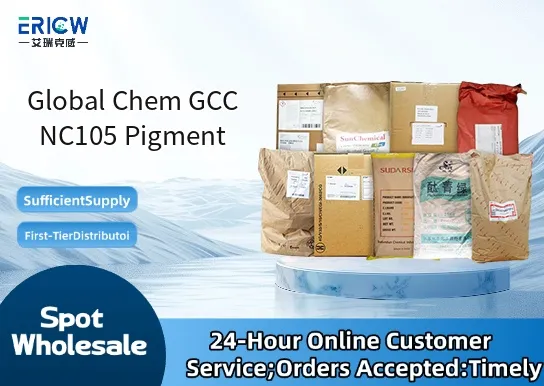
High chromatic strength with excellent color consistency across batches.
Outstanding thermal stability up to 280°C, suitable for high-temperature processing.
Low heavy metal content, compliant with EN71-3 and RoHS 2.0 safety standards.
Good dispersibility in both polar and non-polar polymer matrices.
UV-resistant formulation ensuring long-term color retention in outdoor applications.
Automotive interior plastics including dashboards and trim components.
Engineering thermoplastics such as polypropylene (PP), polyethylene (PE), and ABS.
Household appliance casings requiring durable, fade-resistant coloration.
Medical device housings where regulatory-compliant pigments are mandatory.
Consumer electronics enclosures demanding high-gloss finish and dimensional stability.
| Chemical Type | Organic pigment dispersion (high-performance azo derivative) |
| Product Form | Free-flowing powder |
| Appearance | Reddish-orange fine powder |
| Primary Applications | Polymer coloring for injection molding and extrusion |
| Key Features | Non-migrating, low dust generation, solvent-free |
| Benefits | Reduced machine fouling, improved throughput, consistent hue reproducibility |
| Regulatory Compliance | REACH registered; compliant with FDA 21 CFR §178.3297 for indirect food contact |
| Storage Conditions | Store in cool, dry place below 30°C; protect from moisture and direct sunlight |
Q1: What is the primary chemical nature of GCC NC105 Pigment?
A: GCC NC105 is an organic pigment dispersion formulated for high chroma and excellent lightfastness. It is supplied as a stable, solvent-based paste with optimized particle size distribution to ensure consistent color development and minimal agglomeration in end-use systems.
Q2: Is GCC NC105 suitable for use in food-contact plastics?
A: GCC NC105 is not pre-certified for direct food-contact applications. Its suitability depends on final formulation compliance, migration testing, and regulatory review by the end-user. Customers must validate compatibility and regulatory status per applicable regional requirements before use in food-contact materials.
Q3: How should GCC NC105 be incorporated into polymer systems?
A: For optimal dispersion, GCC NC105 is typically introduced during compounding—either at the masterbatch stage or via melt blending. Pre-mixing with carrier resin or diluent is recommended to ensure uniform distribution. Avoid excessive shear or prolonged thermal exposure to preserve pigment integrity.
Q4: What solvents or resins is GCC NC105 most commonly compatible with?
A: GCC NC105 demonstrates good compatibility with common thermoplastic carriers such as polyolefins (PP, PE), polystyrene, and ABS. It is also widely used in solvent-based coatings and inks based on acrylic, alkyd, and nitrocellulose resins. Compatibility testing under actual processing conditions is advised for new formulations.
Q5: Does GCC NC105 require special storage or handling precautions?
A: Store GCC NC105 in tightly sealed containers at temperatures between 5°C and 30°C, away from direct sunlight and sources of heat. Stir gently before use if sedimentation occurs. As with all pigment dispersions, standard industrial hygiene practices—including appropriate PPE and ventilation—should be followed during handling.
Contact With Us:
E-mail: wangxingqiang@ericwchem.com
Have a Questions? Call Us:
Add:
Building A1, Jiete Industrial Park, Huangpu District, Guangzhou City, Guangdong Province, China