English
 Español
 tiếng việt
 русский
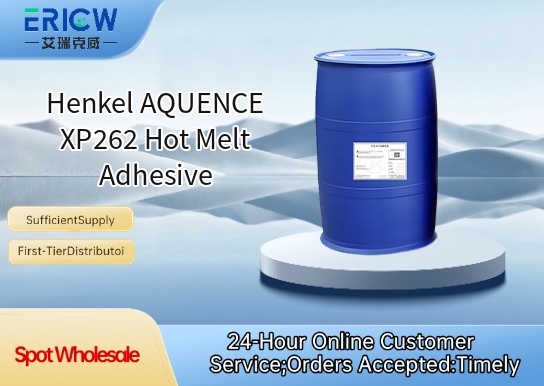
High initial tack for rapid part handling and production line efficiency.
Excellent thermal stability with consistent performance across extended melt exposure.
Low odor and low volatile organic compound (VOC) emission, supporting safer workplace environments.
Good adhesion to low-surface-energy substrates including polypropylene and polyethylene.
Optimized rheology for precise bead control and minimal stringing during high-speed application.
Automotive interior trim assembly (e.g., door panels, headliners, and carpet bonding).
Home appliance component bonding (e.g., control panels, insulation layers, and decorative overlays).
Flexible packaging lamination for non-food-grade industrial pouches and labels.
Woodworking edgebanding on PVC and ABS edging materials.
Filter media assembly in HVAC and industrial air filtration systems.
| Chemical Type | Styrene–Ethylene/Butylene–Styrene (SEBS) thermoplastic elastomer |
| Product Form | Pellets |
| Appearance | Light yellow, semi-translucent pellets |
| Softening Point (Ring & Ball) | 85–90 °C |
| Melt Viscosity (at 170 °C) | 3,500–4,500 mPa·s |
| Application Temperature Range | 160–180 °C |
| Open Time | 8–12 seconds (at 23 °C, 50% RH) |
| Primary Applications | Assembly bonding of thermoplastics, composites, and coated substrates |
Contact With Us:
E-mail: wangxingqiang@ericwchem.com
Have a Questions? Call Us:
Add:
Building A1, Jiete Industrial Park, Huangpu District, Guangzhou City, Guangdong Province, China