English
 Español
 tiếng việt
 русский
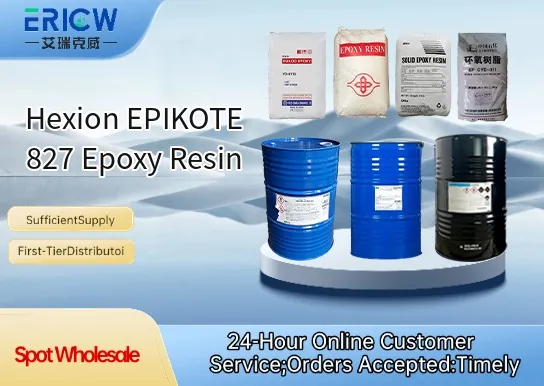
Standard liquid bisphenol-A epoxy resin with consistent molecular weight distribution for reliable reactivity and processing.
Excellent adhesion to metals, composites, and cured polymer substrates across diverse environmental conditions.
High purity and low chloride content, supporting superior electrical insulation properties and reduced corrosion risk.
Proven compatibility with a broad range of amine, anhydride, and phenolic curing agents for formulation flexibility.
Good thermal stability and mechanical performance in cured systems, enabling durable structural and protective coatings.
Aerospace composite matrices for primary and secondary structural components.
Electrical encapsulation and potting compounds for high-voltage insulators and power electronics.
High-performance industrial maintenance and marine coatings requiring chemical resistance and long-term durability.
Adhesives for metal-to-metal and metal-to-composite bonding in transportation and wind energy sectors.
Tooling resins for molds used in carbon fiber layup and RTM processes.
| Chemical Type | Liquid bisphenol-A diglycidyl ether epoxy resin |
| Product Form | Clear to pale yellow viscous liquid |
| Appearance | Clear, slightly viscous liquid at 25°C |
| Epoxy Equivalent Weight (EEW) | 185–192 g/eq |
| Viscosity at 25°C | 12,000–14,000 cP |
| Chloride Content | ≤ 500 ppm |
| Softening Point | 12–18°C |
| Primary Applications | Structural composites, electrical encapsulation, high-performance coatings, adhesives |
Q1: What is the primary chemical composition of EPIKOTE 827?
A: EPIKOTE 827 is a liquid bisphenol-A based epoxy resin, characterized by an epoxide functionality derived from the reaction of epichlorohydrin with bisphenol-A. It contains no added solvents and is supplied as a clear to pale yellow viscous liquid.
Q2: How is EPIKOTE 827 typically cured?
A: This resin is commonly cured with a range of amine-based hardeners (e.g., aliphatic, cycloaliphatic, or aromatic amines), anhydrides, or catalytic systems such as Lewis acids or tertiary amines. Cure conditions vary widely depending on the hardener selection — from ambient temperature to elevated temperature post-cures — and formulation requirements.
Q3: Is EPIKOTE 827 suitable for high-performance composite applications?
A: Yes — it is widely used in structural composites, aerospace prepregs, filament-wound tanks, and wind turbine blade matrices due to its excellent mechanical properties, adhesion to reinforcements, and compatibility with fiber sizing agents. Its low viscosity supports good wet-out of carbon and glass fibers.
Q4: Can EPIKOTE 827 be blended with other resins or modifiers?
A: Yes — it is frequently blended with reactive diluents, flexibilizers, or other epoxy resins (e.g., novolacs or tetrafunctional epoxies) to tailor viscosity, flexibility, thermal resistance, or crosslink density. Compatibility should be verified experimentally for each specific blend system.
Q5: What are key handling and storage recommendations?
A: Store in tightly sealed containers at temperatures between 15–30°C, away from moisture, strong oxidizing agents, and direct sunlight. Prolonged exposure to low temperatures may cause crystallization, which can be reversed by gentle warming to 40–50°C followed by thorough mixing. Always follow standard industrial hygiene practices when handling.
Contact With Us:
E-mail: wangxingqiang@ericwchem.com
Have a Questions? Call Us:
Add:
Building A1, Jiete Industrial Park, Huangpu District, Guangzhou City, Guangdong Province, China