English
 Español
 tiếng việt
 русский
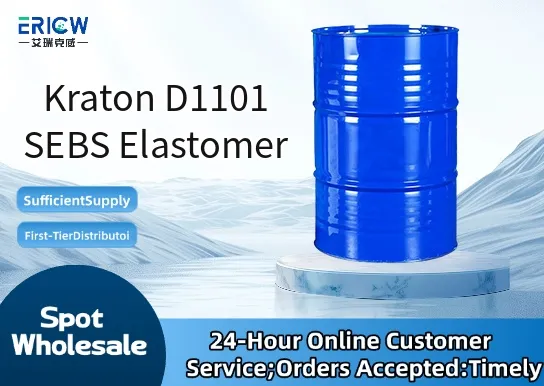
Thermoplastic elastomer with excellent elasticity and recovery performance at room and elevated temperatures.
High melt flow index (MFI) enabling easy processing via extrusion, injection molding, and overmolding.
Good compatibility with polypropylene (PP), polyethylene (PE), and various plasticizers for compound formulation.
UV and thermal stability suitable for long-term outdoor and automotive interior applications.
Low extractables and compliant with FDA 21 CFR §177.2600 for food-contact-adjacent uses.
Soft-touch overmolding for automotive interior trim and controls.
Flexible grips and ergonomic components for power tools and consumer electronics.
Sealants and gasket compounds requiring compression set resistance and weatherability.
Medical device components such as tubing connectors and non-lubricated housings.
Footwear midsoles and outsole blends requiring rebound and fatigue resistance.
| Chemical Type | Styrene–Ethylene/Butylene–Styrene (SEBS) triblock copolymer |
| Product Form | Pellets |
| Appearance | Off-white to light tan, free-flowing cylindrical pellets |
| Primary Applications | Thermoplastic elastomer compounds for soft-touch, sealing, and flexible parts |
| Key Features | High elasticity, good processability, low compression set, PP/PE compatibility |
| Benefits | Replaces vulcanized rubber; enables recyclable, multi-material designs |
| Processing Method | Extrusion, injection molding, blow molding, overmolding |
| Regulatory Status | FDA-compliant (21 CFR §177.2600), RoHS and REACH compliant |
Q1: What is Kraton D1101 and how does it differ from other SEBS grades?
A: Kraton D1101 is a linear triblock copolymer of styrene and ethylene–butylene, offering balanced melt processability, softness, and thermoplastic elastomer performance. Unlike higher-styrene or functionalized SEBS grades, D1101 is optimized for clarity, low extractables, and compatibility with polyolefins and soft compounds—making it especially suitable for medical device components, consumer soft-touch applications, and polymer modification where low odor and good thermal stability are required.
Q2: Is Kraton D1101 suitable for medical or healthcare applications?
A: Kraton D1101 is widely used in non-implantable medical devices and healthcare products such as tubing, syringe plungers, and overmolded grips due to its low volatility, absence of plasticizers, and compliance with common extractables and leachables expectations for ISO 10993-18 screening. It is not pre-certified for any specific regulatory pathway, and end-use qualification—including biocompatibility testing—remains the responsibility of the compounder or device manufacturer.
Q3: How should Kraton D1101 be processed in thermoplastic operations?
A: Kraton D1101 processes well on standard thermoplastic equipment including extruders and injection molding machines. It typically requires drying at 60–70 °C for 2–4 hours prior to processing to minimize moisture-related surface defects. Melt temperatures generally range from 180–220 °C, depending on shear history and residence time; extended thermal exposure above 230 °C should be avoided to preserve molecular integrity and mechanical performance.
Q4: Can Kraton D1101 be blended with polypropylene or polyethylene?
A: Yes—Kraton D1101 exhibits excellent compatibility with polyolefins, particularly when used as a compatibilizer or impact modifier in PP/PE blends. Its ethylene–butylene mid-block provides entanglement with polyolefin chains, while the styrenic end-blocks offer interfacial adhesion. Typical use levels range from 0.1% to 2% by weight for property enhancement, though optimal dosage depends on formulation requirements and desired balance of stiffness, toughness, and clarity.
Contact With Us:
E-mail: wangxingqiang@ericwchem.com
Have a Questions? Call Us:
Add:
Building A1, Jiete Industrial Park, Huangpu District, Guangzhou City, Guangdong Province, China