English
 Español
 tiếng việt
 русский
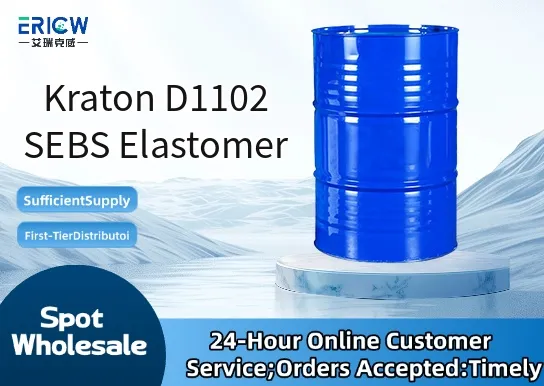
Thermoplastic elastomer with excellent soft-touch feel and low compression set.
Superior UV and thermal stability for long-term outdoor performance.
Good compatibility with polypropylene (PP) and polyethylene (PE) for blend applications.
Easy to process via injection molding, extrusion, and thermoforming without vulcanization.
Meets FDA-compliant formulation requirements for food-contact applications (when compounded appropriately).
Soft-grip overmolding for power tools, hand tools, and consumer electronics.
Automotive interior trim components including armrests, knobs, and seals.
Medical device housings and non-sterile patient-contact surfaces.
High-clarity, flexible packaging films requiring toughness and seal integrity.
Consumer goods such as toothbrush handles, personal care appliance grips, and sports equipment.
| Chemical Type | Styrene–Ethylene/Butylene–Styrene (SEBS) triblock copolymer |
| Product Form | Pellets |
| Appearance | Off-white to light tan, free-flowing pellets |
| Primary Applications | Thermoplastic elastomer (TPE) for soft-touch overmolding and flexible compounds |
| Key Features | High elasticity, excellent melt stability, low extractables |
| Benefits | Reduced cycle time vs. thermoset rubber; recyclable processing scrap |
| Processing Method | Injection molding, extrusion, blow molding |
| Storage Recommendation | Store in original sealed packaging at 15–30°C, protect from moisture and direct sunlight |
Q1: What is the primary functional role of Kraton D1102 in polymer formulations?
A: Kraton D1102 is a styrene–ethylene/butylene–styrene (SEBS) thermoplastic elastomer used primarily as a compatibilizer and impact modifier in polyolefin-based systems, especially to enhance flexibility, melt elasticity, and low-temperature toughness without compromising processability.
Q2: Is Kraton D1102 suitable for applications requiring regulatory compliance for food contact or medical use?
A: Kraton D1102 is manufactured to meet stringent quality standards and is commonly selected for formulations targeting food-contact and medical-grade applications; however, final regulatory approval depends on the complete formulation, processing conditions, and end-use requirements—users must conduct appropriate testing and validation per applicable regional regulations.
Q3: How does Kraton D1102 differ from other SEBS grades like Kraton G or linear SBS alternatives?
A: Unlike linear SBS, Kraton D1102 features a radial (star-branched) architecture with saturated mid-blocks, delivering superior thermal stability, oxidative resistance, and long-term elastic recovery—making it particularly well-suited for high-temperature processing and demanding end uses such as soft-touch overmolding and durable elastomeric compounds.
Q4: What are typical processing methods for Kraton D1102?
A: Kraton D1102 is compatible with standard thermoplastic processing techniques including injection molding, extrusion, and two-shot molding; it exhibits good melt flow and adhesion to polypropylene and polyethylene substrates, enabling robust overmolding and co-extrusion performance.
Contact With Us:
E-mail: wangxingqiang@ericwchem.com
Have a Questions? Call Us:
Add:
Building A1, Jiete Industrial Park, Huangpu District, Guangzhou City, Guangdong Province, China