English
 Español
 tiếng việt
 русский
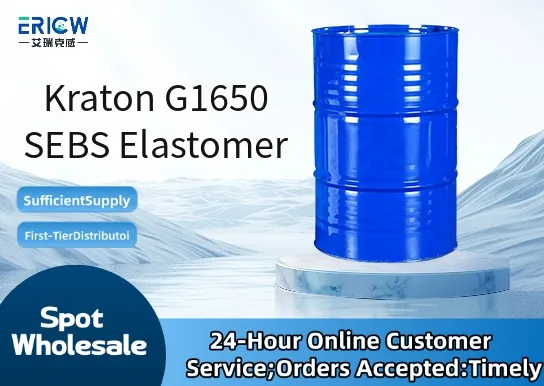
Thermoplastic elastomer based on styrene–ethylene/butylene–styrene (SEBS) triblock copolymer architecture.
Excellent melt processability for extrusion, injection molding, and blow molding without vulcanization.
Outstanding UV and thermal stability with inherent resistance to oxidation and aging.
High tensile strength and elongation at break, enabling durable flexible part performance.
Good compatibility with polypropylene (PP), polyethylene (PE), and various plasticizers for compound formulation.
Soft-touch overmolding for automotive interior trim and instrument panels.
Medical tubing and device components requiring biocompatibility and sterilizability.
Consumer product grips for power tools, toothbrushes, and personal care devices.
Sealants and adhesives requiring high tack, peel strength, and low-temperature flexibility.
Footwear midsoles and outsoles offering cushioning, rebound, and weather resistance.
| Chemical Type | Styrene–Ethylene/Butylene–Styrene (SEBS) Triblock Copolymer |
| Product Form | Pellets |
| Appearance | Off-white to light tan, free-flowing pellets |
| Primary Applications | Soft-touch overmolding, medical devices, sealants, consumer goods |
| Key Features | Thermoplastic processability, UV/thermal stability, high elasticity |
| Benefits | Reduced processing energy vs. thermoset rubbers; recyclable; no peroxide curing required |
| Processing Method | Extrusion, injection molding, blow molding, compounding |
Q1: What is the primary functional role of Kraton G1650 in polymer blends and thermoplastic formulations?
A: Kraton G1650 is a linear triblock copolymer of styrene–ethylene/butylene–styrene (SEBS), designed primarily as a compatibilizer and impact modifier. It enhances melt strength, improves toughness, and imparts elasticity to rigid thermoplastics such as polypropylene and polystyrene—without significantly compromising processability or thermal stability.
Q2: Is Kraton G1650 suitable for use in medical or food-contact applications?
A: Kraton G1650 is manufactured under strict quality control and is commonly selected for applications requiring regulatory compliance, including certain medical device components and food-contact packaging. However, final suitability depends on full formulation assessment, processing conditions, and end-use regulatory requirements—users must validate compliance through appropriate testing and documentation.
Q3: How does Kraton G1650 differ from other SEBS grades in terms of rheology and end-use performance?
A: Kraton G1650 features a balanced molecular architecture that delivers moderate melt viscosity and excellent tensile recovery, making it especially effective in soft-touch overmolding and flexible packaging applications. Compared to higher-styrene or branched SEBS grades, it offers improved clarity and lower hardness while maintaining good thermal stability during extrusion and injection molding.
Q4: What are recommended drying and processing conditions for Kraton G1650?
A: Kraton G1650 should be dried prior to processing if exposed to high humidity, typically at 70–80 °C for 2–4 hours. Processing temperatures generally range from 180 °C to 230 °C, depending on equipment and blend composition. Avoid prolonged residence time at upper temperature limits to preserve molecular integrity and mechanical performance.
Contact With Us:
E-mail: wangxingqiang@ericwchem.com
Have a Questions? Call Us:
Add:
Building A1, Jiete Industrial Park, Huangpu District, Guangzhou City, Guangdong Province, China