English
 Español
 tiếng việt
 русский
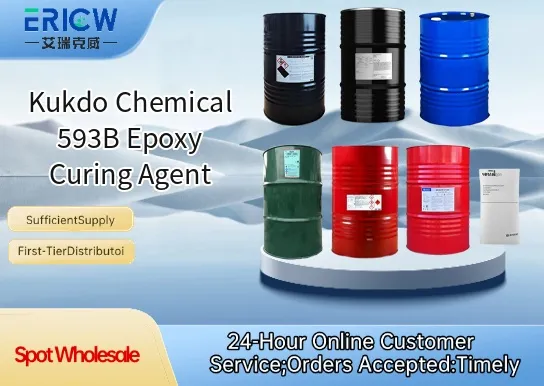
Fast-reacting aliphatic amine-based curing agent for room-temperature and elevated-temperature epoxy systems.
Excellent compatibility with standard liquid and solid bisphenol-A and bisphenol-F epoxy resins.
Delivers high crosslink density, resulting in superior chemical resistance and mechanical strength in cured films.
Low viscosity enables easy handling, precise metering, and uniform mixing without solvent dilution.
Low volatility and reduced skin sensitization potential compared to conventional DETA-type amines.
Industrial protective coatings for steel structures, pipelines, and marine equipment.
Electrical insulation systems including potting compounds and encapsulants for transformers and PCBs.
High-performance adhesives for automotive composites and aerospace bonding applications.
Flooring systems requiring rapid turnaround, such as epoxy terrazzo and self-leveling industrial floors.
Repair mortars and grouts for concrete rehabilitation in infrastructure and civil engineering projects.
| Chemical Type | Aliphatic polyamine adduct |
| Product Form | Liquid |
| Appearance | Pale yellow to amber clear liquid |
| Viscosity (25°C) | 180–240 mPa·s |
| Active Hydrogen Equivalent Weight | 82–88 g/eq |
| Density (25°C) | 0.92–0.94 g/cm³ |
| Amine Value | 620–660 mg KOH/g |
| Flash Point (PMCC) | ≥95°C |
Q1: What is the primary chemical class and functional mechanism of Kukdo 593B?
A: Kukdo 593B is an amine-based epoxy curing agent, specifically formulated as a modified aliphatic amine. It functions by reacting with epoxy resin epoxide groups through nucleophilic addition, forming a crosslinked thermoset network with enhanced mechanical strength, chemical resistance, and adhesion.
Q2: How does 593B compare to standard DETA or TETA in terms of handling and reactivity?
A: Compared to conventional aliphatic amines like DETA or TETA, 593B offers reduced volatility and lower skin sensitization potential, improving workplace safety during handling. Its reactivity is moderated—providing extended pot life at ambient temperatures while still enabling efficient cure at elevated temperatures (e.g., 60–100 °C), supporting both room-temperature and thermal-cure applications.
Q3: Is 593B suitable for high-performance coating systems requiring low-temperature cure?
A: Yes—593B is widely used in industrial maintenance and protective coatings where ambient or low-temperature (10–25 °C) curing is required. It delivers acceptable gel time and film development under these conditions, especially when paired with standard bisphenol-A or bisphenol-F epoxy resins, though full property development may benefit from mild post-cure.
Q4: What are typical dosage guidelines for 593B in epoxy formulations?
A: Dosage depends on the epoxy equivalent weight (EEW) of the resin and desired performance profile. Generally, 593B is used at low concentrations relative to resin weight—typically ranging from 0.1% to 2% by weight for catalytic-type systems, or stoichiometrically adjusted for full amine hydrogen equivalence in structural formulations. Optimal ratio should be confirmed via small-scale trials and DSC analysis.
Q5: Can 593B be blended with other curing agents to modify cure profile or final properties?
A: Yes—593B is compatible with many common epoxy co-curing agents, including polyamides, aromatic amines, and latent accelerators. Blending allows formulators to fine-tune pot life, cure speed, flexibility, and thermal resistance. However, compatibility and reactivity effects should be verified experimentally for each specific system.
Contact With Us:
E-mail: wangxingqiang@ericwchem.com
Have a Questions? Call Us:
Add:
Building A1, Jiete Industrial Park, Huangpu District, Guangzhou City, Guangdong Province, China