English
 Español
 tiếng việt
 русский
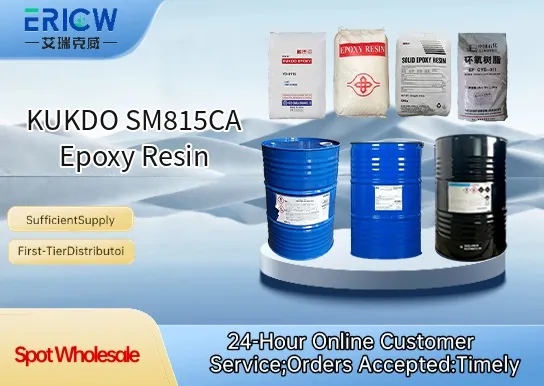
Highly reactive liquid epoxy resin with excellent compatibility with standard amine and anhydride curing agents.
Low viscosity (3,000–4,500 cP at 25°C) enabling easy processing, impregnation, and air-release during casting or lamination.
Superior electrical insulation properties with high dielectric strength and low dissipation factor.
Excellent thermal stability and chemical resistance, particularly to alkalis and polar solvents.
Low chloride content (< 800 ppm), ensuring reliable performance in sensitive electronic encapsulation applications.
Electrical and electronic encapsulation for transformers, reactors, and high-voltage insulators.
Castings for busbar supports, switchgear components, and GIS (Gas-Insulated Switchgear) parts.
Structural adhesives requiring high bond strength and thermal resilience in automotive and rail applications.
Matrix resin for fiber-reinforced composites used in energy infrastructure and industrial tooling.
Underfill and potting formulations for power electronics modules and IGBT packaging.
| Chemical Type | Diglycidyl ether of bisphenol-A (DGEBA) |
| Product Form | Clear, low-viscosity liquid |
| Appearance | Colorless to pale yellow, transparent |
| Epoxy Equivalent Weight (EEW) | 185–195 g/eq |
| Viscosity (25°C) | 3,000–4,500 cP |
| Chloride Content | ≤ 800 ppm |
| Softening Point | Not applicable (liquid at room temperature) |
| Storage Stability | ≥ 12 months at 25°C in sealed containers |
Q1: What is the primary functional role of KUKDO SM815CA in epoxy formulations?
A: KUKDO SM815CA is a reactive diluent designed to reduce viscosity while maintaining epoxy functionality, enabling improved processability—such as enhanced wetting, degassing, and filler incorporation—without significantly compromising final crosslink density or thermal performance.
Q2: Is SM815CA compatible with common amine-based and anhydride curing agents?
A: Yes, SM815CA demonstrates broad compatibility with standard aliphatic, cycloaliphatic, and aromatic amines, as well as carboxylic anhydrides. It participates directly in the cure reaction due to its glycidyl ether structure, contributing to network formation rather than acting as an inert diluent.
Q3: How does SM815CA compare to non-reactive diluents in terms of VOC and regulatory compliance?
A: As a reactive diluent, SM815CA becomes chemically bound into the cured polymer matrix, resulting in negligible volatile organic compound (VOC) emission during and after cure—making it suitable for low-VOC and high-solids formulation strategies aligned with evolving environmental and occupational health guidelines.
Q4: Can SM815CA be used in applications requiring FDA-compliant coatings or linings?
A: While SM815CA itself is not pre-approved under specific food-contact regulations, it may be considered for use in FDA-compliant epoxy systems when fully cured and validated within a qualified formulation—subject to rigorous end-product testing and compliance verification by the formulator or end-user.
Contact With Us:
E-mail: wangxingqiang@ericwchem.com
Have a Questions? Call Us:
Add:
Building A1, Jiete Industrial Park, Huangpu District, Guangzhou City, Guangdong Province, China