English
 Español
 tiếng việt
 русский
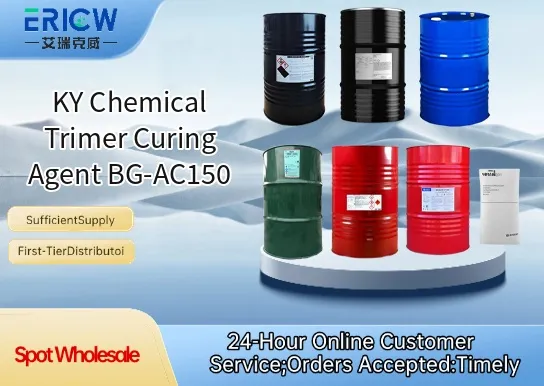
High reactivity with hydroxyl-terminated polyesters and polyacrylates for rapid crosslinking at ambient to moderate temperatures.
Excellent storage stability—non-crystallizing and low-viscosity liquid formulation ensures consistent handling and metering.
Low volatile organic compound (VOC) content, supporting compliance with stringent environmental and workplace safety regulations.
Superior film hardness and chemical resistance in cured coatings, enhancing durability against solvents and abrasion.
Compatible with standard two-component polyurethane systems without requiring catalysts or co-curing agents.
Automotive OEM and refinish clearcoats and basecoats.
Industrial maintenance coatings for metal and plastic substrates.
High-performance wood finishes requiring fast turnaround and mar resistance.
Architectural coating systems including exterior façade and balcony sealants.
Functional powder coating topcoats for appliances and outdoor furniture.
| Chemical Type | Aliphatic isocyanurate trimer (hexamethylene diisocyanate-based) |
| Product Form | Clear, low-viscosity liquid |
| Appearance | Colorless to pale yellow, transparent |
| NCO Content (wt%) | 19.8–20.4% |
| Viscosity (25°C, mPa·s) | 800–1,200 |
| Density (20°C, g/cm³) | 1.17–1.19 |
| Storage Stability | ≥12 months at 25°C in sealed container |
| Primary Applications | 2K polyurethane coatings, high-gloss finishes, UV-resistant topcoats |
Q1: What types of resin systems is BG-AC150 compatible with?
A: BG-AC150 is specifically designed for use with hydroxyl-functional acrylic, polyester, and polyurethane resins. It functions as a highly reactive trimer-based curing agent that enables ambient- or low-bake crosslinking in high-performance coating formulations.
Q2: How does BG-AC150 compare to conventional HAA or TGIC-type curing agents in terms of reactivity and film properties?
A: BG-AC150 offers enhanced reactivity at lower temperatures compared to standard HAA derivatives, while avoiding the regulatory and handling concerns associated with TGIC. It delivers excellent gloss retention, mechanical durability, and chemical resistance in cured films without requiring catalysts in most standard formulations.
Q3: What is the typical dosage range for BG-AC150 in a coating formulation?
A: Dosage depends on the hydroxyl value and molecular weight of the base resin, but BG-AC150 is typically used at low concentrations—generally ranging from 0.1% to 2% by weight relative to total solids—to achieve full cure and optimal performance.
Q4: Does BG-AC150 require special storage conditions or handling precautions?
A: Yes. BG-AC150 should be stored in a cool, dry place below 25°C, protected from moisture and direct sunlight. It is hygroscopic and may undergo premature reaction if exposed to humidity; therefore, containers must be kept tightly sealed during storage and handling.
Contact With Us:
E-mail: wangxingqiang@ericwchem.com
Have a Questions? Call Us:
Add:
Building A1, Jiete Industrial Park, Huangpu District, Guangzhou City, Guangdong Province, China