English
 Español
 tiếng việt
 русский
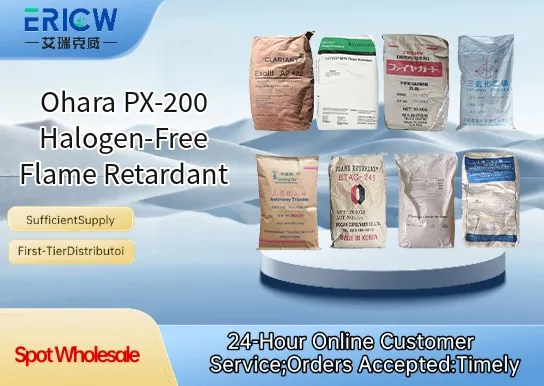
Phosphorus-nitrogen synergistic system enabling high flame retardancy without halogen compounds.
Low smoke and low toxicity during combustion, meeting stringent environmental and safety standards.
Excellent thermal stability up to 300 °C, suitable for high-temperature polymer processing.
Good compatibility with polyolefins, engineering plastics, and thermoplastic elastomers.
Non-migrating formulation ensures long-term flame-retardant performance and surface integrity.
Wire and cable insulation for building and automotive wiring harnesses.
Flame-retardant polypropylene (PP) and polyethylene (PE) for household appliances.
Electrical enclosures and connectors requiring UL 94 V-0 rating.
Thermoplastic elastomer (TPE) components in consumer electronics housings.
Injection-molded parts for public transport interiors compliant with EN 45545-2.
| Chemical Type | Phosphorus-nitrogen-based intumescent flame retardant |
| Product Form | Free-flowing white granules |
| Appearance | Off-white to light beige granules |
| Density | 1.45–1.55 g/cm³ |
| Moisture Content | ≤ 0.5% (by weight) |
| Thermal Decomposition Onset | ≥ 280 °C (TGA, 10 °C/min, N₂) |
| Halogen Content | Non-detectable (< 100 ppm by GC-MS) |
| RoHS & REACH Compliance | Fully compliant |
Q1: What types of polymers is Ohara PX-200 compatible with?
A: Ohara PX-200 is primarily designed for use in engineering thermoplastics such as polyamide (PA6, PA66), polybutylene terephthalate (PBT), and polycarbonate (PC) blends. It demonstrates good dispersion and thermal stability during standard melt-processing conditions.
Q2: How does PX-200 achieve flame retardancy without halogens?
A: PX-200 functions through a condensed-phase mechanism, promoting char formation on the polymer surface during combustion. This protective char layer insulates the underlying material and reduces heat feedback and volatile fuel release—enabling effective flame suppression while avoiding corrosive or toxic halogenated byproducts.
Q3: Is PX-200 suitable for applications requiring regulatory compliance with RoHS and REACH?
A: Yes—PX-200 is formulated to be free of restricted substances under current RoHS directives and REACH SVHC candidate lists. It contains no brominated, chlorinated, or iodinated compounds, and its composition supports compliance in electronics, automotive, and consumer goods sectors where halogen-free status is mandated.
Q4: What is the typical dosage range for achieving UL94 V-0 rating?
A: Dosage depends on the base polymer, filler content, and part geometry—but PX-200 is typically used at low concentrations to meet UL94 V-0 in thin-wall applications. In unfilled PA66, for example, effective loading generally ranges from 0.1% to 2% by weight, with optimization required per formulation.
Q5: Does PX-200 impact mechanical properties or processing behavior?
A: When properly dispersed, PX-200 exhibits minimal effect on tensile strength and impact performance in most host resins. It shows good thermal stability up to typical processing temperatures and does not significantly increase melt viscosity or cause plate-out during extrusion or injection molding.
Contact With Us:
E-mail: wangxingqiang@ericwchem.com
Have a Questions? Call Us:
Add:
Building A1, Jiete Industrial Park, Huangpu District, Guangzhou City, Guangdong Province, China