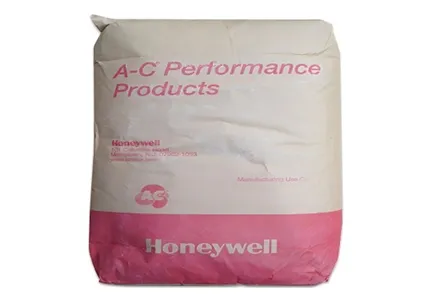
Highly effective thickener with excellent water solubility and rapid hydration in cold water.
Provides outstanding suspension stability and rheology control in aqueous systems.
Excellent compatibility with electrolytes, surfactants, and common industrial additives.
Non-ionic nature ensures pH-independent performance across broad acidic to alkaline ranges (pH 2–12).
Low foam generation and superior film-forming capability for enhanced surface protection.
Water-based architectural coatings and decorative paints.
Tile adhesives and cement-based mortars requiring extended open time and sag resistance.
Personal care formulations including shampoos, conditioners, and liquid soaps.
Oilfield drilling fluids and completion fluids for viscosity enhancement and fluid loss control.
Pharmaceutical suspensions and topical gels as a non-ionic, GRAS-aligned excipient.
| Chemical Type | Non-ionic cellulose ether derivative |
| Product Form | Free-flowing white to off-white granular powder |
| Appearance | Odorless, hygroscopic powder |
| Viscosity (2% aqueous solution, 20°C) | 25,000–35,000 cP |
| Moisture Content (max) | 5.0% w/w |
| Substitution (Molar Substitution, MS) | 2.0–2.5 |
| pH (1% aqueous solution) | 5.5–8.0 |
| Solubility | Fully soluble in cold water; insoluble in organic solvents |
Q1: What is the primary functional role of Samsung BH-30K in aqueous formulations?
A: Samsung BH-30K functions primarily as a non-ionic water-soluble thickener and rheology modifier, providing viscosity enhancement, suspension stability, and improved film-forming characteristics in water-based systems such as coatings, adhesives, and construction mortars.
Q2: How does BH-30K compare to other hydroxyethyl cellulose grades in terms of solution clarity and residue?
A: BH-30K is engineered for rapid hydration and high solution clarity, with minimal insoluble residue after proper dispersion. Its optimized particle size distribution and surface treatment support cleaner, more transparent gels compared to standard HEC grades—particularly beneficial in architectural coatings and personal care applications where appearance matters.
Q3: Is BH-30K compatible with common biocides and electrolytes used in industrial formulations?
A: Yes, BH-30K demonstrates good compatibility with a broad range of preservatives, including isothiazolinones and formaldehyde-releasers, and maintains viscosity stability in the presence of moderate levels of salts and pH adjusters typically encountered in architectural paints and tile adhesives.
Q4: What is the recommended method for incorporating BH-30K into aqueous systems to avoid clumping?
A: To ensure optimal dispersion, BH-30K should be gradually added under high-shear mixing to pre-wetted water containing a small amount of glycol or alcohol, or alternatively dispersed using a vortex mixer while maintaining controlled feed rate. Pre-blending with inert carriers like sugars or salts may also reduce agglomeration during dry addition.
Q5: Can BH-30K be used in freeze-thaw stable formulations?
A: BH-30K contributes to improved freeze-thaw resistance when formulated with appropriate co-thickeners and stabilizers. While it is not inherently freeze-thaw stable on its own, its molecular structure supports better recovery after freezing cycles than many low-viscosity HEC alternatives—especially in systems with optimized polymer architecture and protective additives.
Contact With Us:
E-mail: wangxingqiang@ericwchem.com
Have a Questions? Call Us:
Add:
Building A1, Jiete Industrial Park, Huangpu District, Guangzhou City, Guangdong Province, China
 English
 Español
 tiếng việt
 русский