English
 Español
 tiếng việt
 русский
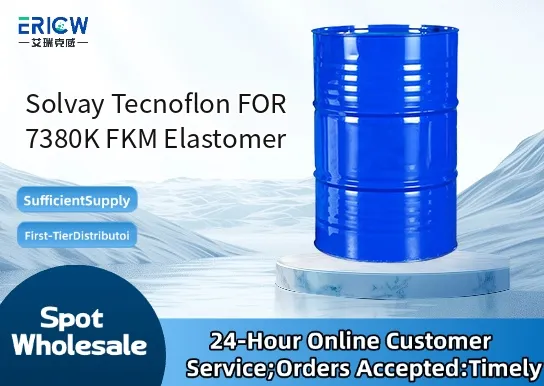
High fluorine content (~68–70 wt%) for exceptional resistance to aggressive chemicals, including amines, ketones, and polar solvents.
Optimized low-temperature flexibility with a glass transition temperature (Tg) of approximately –15 °C, enabling reliable sealing performance in cold-start conditions.
Excellent compression set resistance after prolonged exposure to elevated temperatures up to 200 °C.
Good processability on standard rubber mixing and extrusion equipment, supporting efficient high-volume manufacturing.
Low extractables profile, meeting stringent requirements for automotive fuel and lubricant systems.
Dynamic and static seals in high-pressure common-rail diesel fuel injection systems.
O-rings and gaskets for turbocharger oil supply lines and EGR cooler components.
Valve stem seals and injector cup seals in modern gasoline direct injection (GDI) engines.
Sealing elements in transmission control modules exposed to synthetic ATF fluids.
Fuel system components requiring compliance with SAE J2045 and ISO 6945 standards.
| Chemical Type | Fluoroelastomer (FKM), bisphenol-cured, high-fluorine terpolymer |
| Product Form | Uncured gum stock (sheet or bale) |
| Appearance | Light tan to amber, homogeneous elastomeric sheet |
| Primary Applications | Automotive fuel and lubricant system sealing |
| Key Features | High chemical resistance, low-temperature flexibility, low compression set |
| Benefits | Extended service life in aggressive media, reduced leakage risk, compatibility with modern low-SAPS oils |
| Processing Recommendation | Standard two-roll mill or internal mixer; vulcanization via bisphenol/accelerator system |
| Regulatory Compliance | Meets REACH SVHC criteria; RoHS compliant; no intentionally added PFAS |
Q1: What is the primary chemical composition and distinguishing feature of Tecnoflon FOR 7380K?
A: Tecnoflon FOR 7380K is a peroxide-curable fluoroelastomer (FKM) based on vinylidene fluoride (VDF), hexafluoropropylene (HFP), and tetrafluoroethylene (TFE), with a specialized cure system optimized for high-temperature stability and low compression set in demanding sealing applications.
Q2: Is Tecnoflon FOR 7380K suitable for contact with aggressive automotive fluids such as modern low-SAPS engine oils and transmission fluids?
A: Yes — it is specifically engineered for excellent resistance to high-temperature exposure and chemical degradation from advanced low-ash lubricants, synthetic gear oils, and next-generation automatic transmission fluids commonly used in hybrid and electric vehicle powertrain systems.
Q3: How does the peroxide cure system in FOR 7380K differ from bisphenol-cured FKMs in terms of performance trade-offs?
A: The peroxide cure delivers superior thermal stability and lower compression set at elevated temperatures, particularly above 200 °C, while offering improved resistance to steam and hot water compared to conventional bisphenol systems — though it may require more precise processing control during molding.
Q4: Can Tecnoflon FOR 7380K be compounded with standard FKM fillers and process aids without compromising its peroxide cure efficiency?
A: Yes — it is compatible with common reinforcing fillers like thermally stable carbon black and selected non-acidic mineral fillers; however, filler selection and additive package must be carefully evaluated to avoid interference with peroxide decomposition kinetics and final crosslink density.
Contact With Us:
E-mail: wangxingqiang@ericwchem.com
Have a Questions? Call Us:
Add:
Building A1, Jiete Industrial Park, Huangpu District, Guangzhou City, Guangdong Province, China