English
 Español
 tiếng việt
 русский
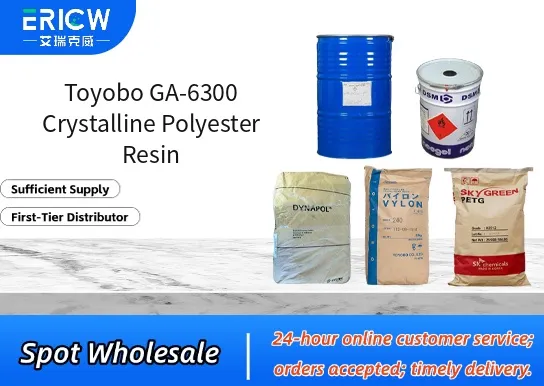
Highly crystalline structure enabling rapid melt viscosity build-up and excellent powder flow stability.
Outstanding storage stability at ambient temperature with minimal agglomeration over extended shelf life.
Optimized for low-cure-temperature powder coatings, supporting energy-efficient curing cycles (160–180 °C).
Superior mechanical properties including high gloss retention, impact resistance, and chemical resistance after curing.
Consistent batch-to-batch reproducibility meeting stringent OEM automotive and appliance coating requirements.
Automotive exterior and interior powder coatings (e.g., wheel hubs, trim components).
White goods and home appliance finishes (refrigerators, washing machines, ovens).
Architectural aluminum extrusion coatings requiring weather resistance and color stability.
Industrial metal furniture and office equipment with demanding durability specifications.
Functional coatings for electrical enclosures requiring dielectric integrity and thermal stability.
| Chemical Type | Crytalline saturated polyester |
| Product Form | Pale yellow to off-white granules |
| Appearance | Free-flowing crystalline solid |
| Glass Transition Temperature (Tg) | 68–72 °C (DSC, 10 °C/min) |
| Melt Viscosity (at 200 °C) | 2,500–3,500 cP (capillary rheometer) |
| Acid Value | 24–28 mg KOH/g |
| Hydroxyl Value | 18–22 mg KOH/g |
| Primary Applications | Thermosetting powder coatings (TGIC-free or HAA-cured systems) |
Q1: What is the primary functional role of GA-6300 in powder coating formulations?
A: GA-6300 serves as a crystalline polyester resin designed to enhance flow and leveling while contributing to rapid film formation and improved edge coverage in thermosetting powder coatings—particularly where high gloss, smooth surface appearance, and consistent cure response are required.
Q2: How does GA-6300 differ from conventional amorphous polyester resins used in powder coatings?
A: Unlike amorphous polyesters, GA-6300 exhibits a defined crystalline structure, resulting in lower melt viscosity at processing temperatures, sharper melting behavior, and improved storage stability in powder form—enabling better handling, reduced blocking tendency, and more predictable rheology during extrusion and curing.
Q3: With which crosslinkers is GA-6300 typically formulated?
A: GA-6300 is engineered for compatibility with standard glycidyl-functional crosslinkers such as triglycidyl isocyanurate (TGIC) and hydroxyalkylamide (HAA) systems, offering balanced reactivity and full cure development across typical industrial powder coating temperature profiles.
Q4: Is GA-6300 suitable for low-bake or ultra-low-bake applications?
A: While GA-6300 is optimized for standard cure schedules (e.g., 180–200 °C for 10–20 minutes), its crystalline nature supports good reactivity at moderately reduced temperatures; however, dedicated low-bake performance requires formulation tuning and is not guaranteed without validation under specific end-use conditions.
Q5: What are key handling considerations for GA-6300 in production environments?
A: Due to its crystalline morphology, GA-6300 generally offers superior anti-blocking properties and long-term storage stability compared to amorphous counterparts—though standard precautions for polyester resins apply, including protection from moisture, controlled ambient temperature during handling, and avoidance of prolonged exposure to elevated heat prior to compounding.
Contact With Us:
E-mail: wangxingqiang@ericwchem.com
Have a Questions? Call Us:
Add:
Building A1, Jiete Industrial Park, Huangpu District, Guangzhou City, Guangdong Province, China