English
 Español
 tiếng việt
 русский
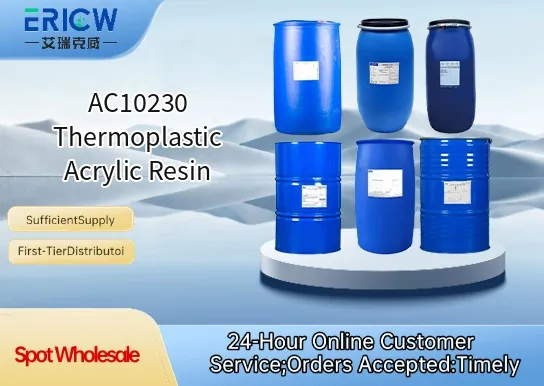
Excellent clarity and UV resistance for long-term outdoor durability.
High melt flow index enabling efficient extrusion and injection molding processing.
Good solvent solubility in common organic solvents including acetone, methyl ethyl ketone (MEK), and toluene.
Outstanding thermal stability with minimal degradation up to 180°C.
Low moisture absorption ensuring dimensional stability in humid environments.
Exterior automotive trim and light covers requiring high gloss and weatherability.
Transparent safety glazing for architectural and transportation applications.
Medical device housings where biocompatibility support and sterilization resistance are critical.
Consumer electronics front panels and display lenses demanding optical clarity and scratch resistance.
Industrial signage and lighting diffusers requiring consistent light transmission and color fidelity.
| Chemical Type | Thermoplastic acrylic copolymer |
| Product Form | Pellets |
| Appearance | White to off-white translucent pellets |
| Primary Applications | Extrusion, injection molding, solvent casting |
| Key Features | High transparency, UV stability, low density |
| Benefits | Easy processing, excellent surface finish, recyclable |
| Density (g/cm³) | 1.18–1.20 |
| Melt Flow Index (230°C/3.8 kg) | 5–8 g/10 min |
Q1: What are the primary processing methods suitable for AC10230?
A: AC10230 is designed for thermoplastic processing techniques including extrusion, injection molding, and solution casting. Its low melt viscosity and rapid solvent release make it especially well-suited for high-speed coating and film-forming applications.
Q2: How does AC10230 differ from thermosetting acrylic resins in formulation and performance?
A: Unlike thermosetting acrylics, AC10230 remains reversibly fusible and soluble after processing—enabling reprocessing, blending with other thermoplastics, and easier recycling. It offers excellent clarity, UV stability, and surface hardness without requiring crosslinking agents or heat curing.
Q3: Which solvents are commonly used to dissolve AC10230 for coating or adhesive formulations?
A: AC10230 exhibits good solubility in common organic solvents such as methyl ethyl ketone (MEK), acetone, ethyl acetate, toluene, and xylene. Solvent selection should consider evaporation rate, safety requirements, and compatibility with other formulation components.
Q4: Can AC10230 be blended with other polymers, and what considerations apply?
A: Yes, AC10230 is often compatibilized with PVC, cellulose esters, and certain polyolefins to modify flexibility, gloss, or adhesion. Successful blending depends on polarity matching, thermal stability alignment, and phase behavior—compatibility testing under intended processing conditions is recommended.
Contact With Us:
E-mail: wangxingqiang@ericwchem.com
Have a Questions? Call Us:
Add:
Building A1, Jiete Industrial Park, Huangpu District, Guangzhou City, Guangdong Province, China