English
 Español
 tiếng việt
 русский
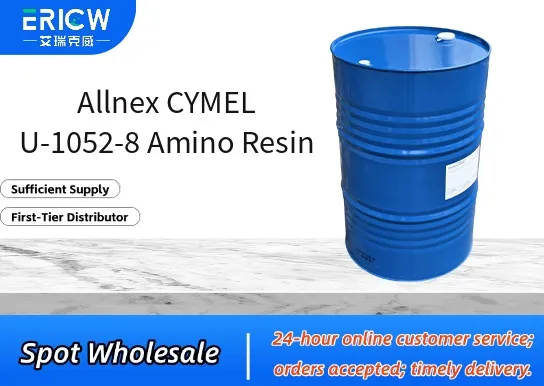
Highly reactive melamine-formaldehyde resin with optimized methylol and methoxy group balance for rapid cure kinetics.
Excellent compatibility with acrylic, polyester, and alkyd resins in solventborne and high-solids coating systems.
Delivers superior hardness, chemical resistance, and gloss retention in thermoset coatings.
Low free formaldehyde content, supporting compliance with stringent industrial health and safety requirements.
Consistent batch-to-batch performance and extended pot life when formulated with appropriate acid catalysts.
Automotive OEM and refinish topcoats requiring high durability and aesthetic performance.
Industrial coil coatings for pre-painted metal used in building panels and appliances.
General-purpose can and closure coatings for food and beverage packaging.
High-performance wood furniture and flooring finishes demanding scratch and solvent resistance.
Heavy-duty machinery and agricultural equipment coatings exposed to harsh environmental conditions.
| Chemical Type | Melamine-formaldehyde resin, highly methylolated and partially etherified with methanol |
| Product Form | Clear to pale yellow liquid |
| Appearance | Homogeneous, transparent liquid with slight viscosity |
| Solubility | Freely soluble in common organic solvents (e.g., xylene, butanol, esters) |
| Non-Volatile Content (wt%) | 70–74% (as supplied) |
| Viscosity (mPa·s, 25°C) | 100–300 (Brookfield RV, spindle #3, 20 rpm) |
| Free Formaldehyde (wt%) | ≤0.3% |
| Primary Applications | Crosslinker for thermosetting decorative and protective coatings |
Q1: What is the primary function of CYMEL U-1052-8 in coating formulations?
A: CYMEL U-1052-8 functions as a highly reactive melamine-formaldehyde crosslinker, designed to enhance cure speed, hardness, and chemical resistance in thermosetting coatings—particularly in low-bake and ambient-cure systems based on hydroxyl-functional acrylics, polyesters, or alkyds.
Q2: Is CYMEL U-1052-8 suitable for waterborne coating systems?
A: Yes—it is formulated for compatibility with both solventborne and waterborne systems. Its low formaldehyde content and good hydrolytic stability support use in aqueous dispersions and emulsions, though formulation pH and co-solvent selection should be optimized to ensure colloidal stability during storage.
Q3: How does CYMEL U-1052-8 differ from conventional high-methylol melamine resins?
A: Unlike traditional high-methylol types, U-1052-8 features a tailored degree of methylation and controlled volatility, offering improved shelf life, reduced formaldehyde emission during storage, and enhanced reactivity at lower temperatures without compromising pot life in formulated coatings.
Q4: What are typical handling and storage recommendations?
A: Store in tightly sealed original containers at temperatures between 5 °C and 30 °C, away from direct sunlight and strong oxidizers. Avoid prolonged exposure to moisture or freezing conditions. Once opened, minimize air contact and use within recommended timeframes to maintain reactivity and viscosity stability.
Contact With Us:
E-mail: wangxingqiang@ericwchem.com
Have a Questions? Call Us:
Add:
Building A1, Jiete Industrial Park, Huangpu District, Guangzhou City, Guangdong Province, China