English
 Español
 tiếng việt
 русский
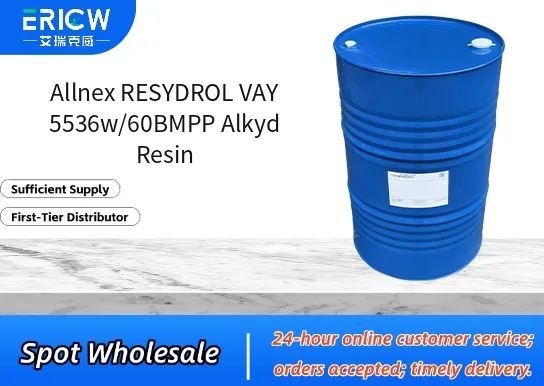
High-solids, low-VOC alkyd resin designed for water-reducible industrial coatings.
Excellent balance of drying speed, hardness development, and flexibility.
Superior compatibility with acrylic emulsions and coalescing agents in hybrid systems.
Enhanced gloss retention and weather resistance in exterior applications.
Good flow and leveling characteristics for high-quality film formation.
Industrial maintenance coatings for metal structures and equipment.
Waterborne wood finishes requiring durability and aesthetic performance.
Architectural trim and façade coatings with demanding outdoor exposure.
Hybrid acrylic-alkyd decorative paints for professional contractor use.
Low-odor, eco-compliant coatings for interior and semi-exterior applications.
| Chemical Type | Modified alkyd resin (water-reducible) |
| Product Form | Liquid dispersion in water and co-solvents |
| Appearance | Clear to slightly hazy, light amber liquid |
| Solids Content (wt%) | 55–57% |
| pH | 7.5–8.5 |
| Viscosity (Brookfield, LVT, Spindle #3, 20 rpm, 25°C) | 1,200–1,800 mPa·s |
| Minimum Film Formation Temperature (MFFT) | ≈ 15°C |
| Primary Applications | Waterborne industrial and architectural coatings |
Q1: What is the primary application area for RESYDROL VAY 5536w/60BMPP?
A: This water-reducible alkyd resin is primarily formulated into high-performance architectural and industrial maintenance coatings, including interior/exterior trim paints, wood finishes, and metal primers where balanced drying speed, gloss retention, and substrate adhesion are required.
Q2: How does VAY 5536w/60BMPP differ from conventional solventborne alkyds?
A: It offers significantly reduced VOC content while maintaining the familiar handling, film formation, and aesthetic properties of traditional alkyds. Its self-emulsifying design eliminates the need for added surfactants in many formulations, supporting improved water resistance and reduced foaming.
Q3: Is this resin compatible with acrylic dispersions or other co-binders?
A: Yes — RESYDROL VAY 5536w/60BMPP demonstrates good compatibility with common acrylic and vinyl acetate-based dispersions, enabling hybrid systems that combine alkyd durability with acrylic weathering resistance and faster initial dry times.
Q4: What type of catalysts or driers are recommended for optimal through-dry performance?
A: Standard cobalt-free drier packages based on zirconium, calcium, and potassium are typically effective. Cobalt alternatives are strongly recommended to support regulatory compliance and avoid potential discoloration issues in white or light-colored systems.
Contact With Us:
E-mail: wangxingqiang@ericwchem.com
Have a Questions? Call Us:
Add:
Building A1, Jiete Industrial Park, Huangpu District, Guangzhou City, Guangdong Province, China