English
 Español
 tiếng việt
 русский
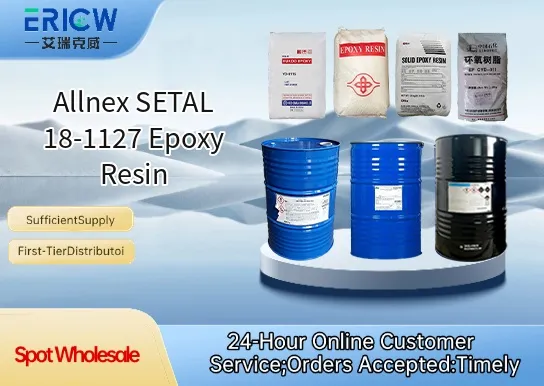
Highly reactive liquid bisphenol-A based epoxy resin with low viscosity for excellent processability.
Optimized molecular weight distribution to support fast cure kinetics with standard amine or anhydride hardeners.
Superior adhesion to metals, composites, and treated plastics in demanding structural bonding applications.
Low chloride content (< 500 ppm) ensuring enhanced corrosion resistance in protective coatings and encapsulants.
Consistent batch-to-batch reproducibility meeting stringent automotive and electronics industry quality requirements.
Structural adhesives for automotive lightweight assembly (e.g., aluminum-to-aluminum bonding).
Electronics encapsulation and potting compounds requiring high thermal stability and dielectric integrity.
High-performance composite matrix resins for wind turbine blades and aerospace secondary structures.
Corrosion-resistant industrial maintenance coatings for offshore and chemical processing equipment.
Powder coating binders delivering smooth film formation and excellent mechanical durability.
| Chemical Type | Bisphenol-A based liquid epoxy resin |
| Product Form | Clear to pale yellow viscous liquid |
| Appearance | Transparent, slightly viscous liquid at 25°C |
| Epoxy Equivalent Weight (EEW) | 185–195 g/eq |
| Viscosity at 25°C | 12,000–16,000 mPa·s |
| Chloride Content | ≤ 500 ppm |
| Softening Point | Not applicable (liquid at room temperature) |
| Primary Applications | Structural adhesives, composites, encapsulation, protective coatings |
Q1: What is the primary functional role of SETAL 18-1127 in epoxy-based coating systems?
A: SETAL 18-1127 is a reactive epoxy resin modifier designed to enhance crosslink density, improve chemical resistance, and increase thermal stability in thermosetting epoxy coatings—particularly in high-performance industrial and protective applications.
Q2: Is SETAL 18-1127 compatible with standard amine or anhydride curing agents?
A: Yes, SETAL 18-1127 is formulated for compatibility with common epoxy curing agents, including aliphatic and cycloaliphatic amines as well as aromatic anhydrides. Compatibility and reactivity should be verified experimentally within the final formulation due to system-specific interactions.
Q3: How does SETAL 18-1127 influence pot life and cure kinetics in formulated epoxy systems?
A: As a reactive diluent/modifier, SETAL 18-1127 typically extends working time slightly compared to unmodified high-functionality epoxies, while supporting efficient network formation during thermal cure. The exact effect on pot life and cure profile depends on concentration, co-resins, and curing agent selection.
Q4: Can SETAL 18-1127 be used in solvent-free or low-VOC epoxy formulations?
A: Yes, SETAL 18-1127 is a low-viscosity, reactive liquid resin suitable for solvent-free and low-VOC epoxy systems. It contributes to viscosity reduction without volatile organic content, supporting compliance with modern environmental and regulatory expectations for industrial coatings.
Contact With Us:
E-mail: wangxingqiang@ericwchem.com
Have a Questions? Call Us:
Add:
Building A1, Jiete Industrial Park, Huangpu District, Guangzhou City, Guangdong Province, China