English
 Español
 tiếng việt
 русский
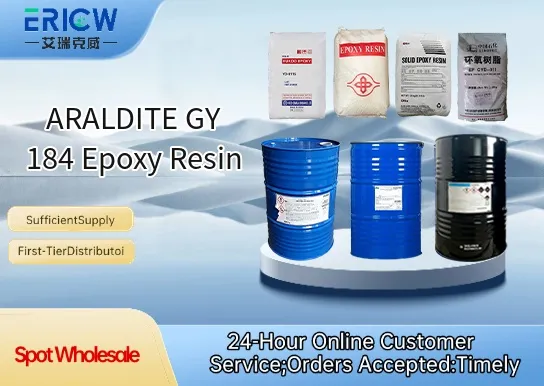
High-purity diglycidyl ether of bisphenol-A (DGEBA) epoxy resin with low chloride content.
Excellent thermal stability and consistent reactivity for reliable curing performance.
Low viscosity enables superior wetting of reinforcements and easy processing in composites.
Outstanding electrical insulation properties suitable for high-voltage applications.
Compatible with a broad range of amine, anhydride, and catalytic hardeners for formulation flexibility.
Electrical encapsulation and potting of transformers, reactors, and insulators.
Matrix resin for high-performance fiber-reinforced composites in aerospace and wind energy.
Insulating varnishes and impregnating resins for electric motors and generators.
Structural adhesives requiring high bond strength and long-term environmental resistance.
Laminating resin for printed circuit board (PCB) prepregs and base materials.
| Chemical Type | Diglycidyl ether of bisphenol-A (DGEBA) |
| Product Form | Liquid |
| Appearance | Pale yellow to water-white, clear liquid |
| Epoxy Equivalent Weight (EEW) | 185–192 g/eq |
| Viscosity at 25°C | 12,000–16,000 mPa·s |
| Chloride Content | ≤ 500 ppm |
| Softening Point | 12–16°C |
| Key Features | High purity, low volatility, excellent dielectric strength |
Q1: What is the primary function of ARALDITE GY 184 in epoxy formulations?
A: ARALDITE GY 184 is a liquid bisphenol-A based epoxy resin commonly used as the base resin component in reactive thermoset systems. It provides structural backbone, adhesion, chemical resistance, and compatibility with a wide range of curing agents—including amines, anhydrides, and catalytic hardeners—to enable tailored performance in coatings, adhesives, and composites.
Q2: Is ARALDITE GY 184 suitable for high-temperature applications?
A: When properly cured with appropriate hardeners—such as aromatic amines or dicyandiamide—formulations containing ARALDITE GY 184 can achieve glass transition temperatures (Tg) well above 100 °C, supporting moderate to high-temperature service in electrical encapsulation, structural bonding, and industrial tooling. Performance depends strongly on cure cycle and formulation design.
Q3: How does ARALDITE GY 184 compare to solid epoxy resins like ARALDITE GY 250 in processing?
A: As a low-viscosity liquid resin, ARALDITE GY 184 offers excellent flow characteristics and ease of handling at ambient temperature—eliminating the need for pre-heating or solvent dilution required by many solid resins. This supports efficient mixing, degassing, and impregnation in processes such as filament winding, resin transfer molding, and potting.
Q4: Can ARALDITE GY 184 be used in food-contact or potable water applications?
A: ARALDITE GY 184 is not inherently approved for direct food contact or potable water use. Its suitability for such applications depends entirely on the full cured system—including hardener, additives, and post-cure conditions—as well as compliance verification against relevant regional regulatory frameworks. End-use approval must be established by the formulator through appropriate testing and documentation.
Contact With Us:
E-mail: wangxingqiang@ericwchem.com
Have a Questions? Call Us:
Add:
Building A1, Jiete Industrial Park, Huangpu District, Guangzhou City, Guangdong Province, China