English
 Español
 tiếng việt
 русский
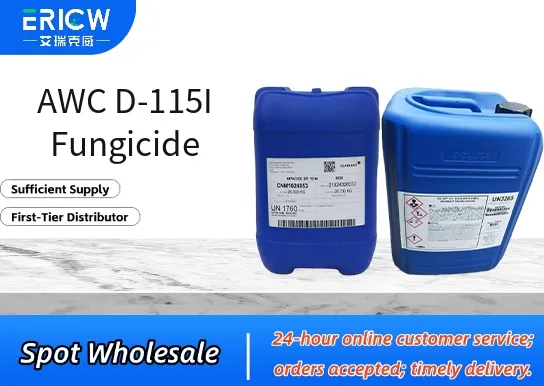
Broad-spectrum activity against key ascomycete and basidiomycete pathogens, including Botrytis, Sclerotinia, and Rhizoctonia species.
Systemic + protective mode of action with translaminar movement, ensuring both preventive and early curative performance.
Low mammalian toxicity and favorable environmental profile, meeting stringent global regulatory requirements for sustainable agriculture use.
Excellent crop safety across major fruit, vegetable, and ornamental crops under recommended application rates.
Compatible with common tank-mix partners, supporting integrated pest management (IPM) and resistance management strategies.
Strawberry cultivation for control of Botrytis cinerea (gray mold).
Tomato greenhouse production targeting Sclerotinia sclerotiorum (white mold).
Leafy greens (e.g., lettuce, spinach) to manage downy mildew and foliar blights.
Ornamental nurseries for suppression of Rhizoctonia solani in bedding plants and cuttings.
High-value horticultural crops requiring residue-compliant fungicide solutions for export markets.
| Chemical Type | Triazole-class systemic fungicide (active ingredient: difenoconazole) |
| Product Form | Emulsifiable concentrate (EC) |
| Appearance | Amber to light brown clear liquid |
| Active Ingredient Concentration | 115 g/L difenoconazole |
| pH Range (1% aqueous solution) | 6.0 – 7.5 |
| Density (20°C) | 1.02 – 1.05 g/cm³ |
| Solubility in Water | 45 mg/L at 20°C |
| Storage Stability | Stable for ≥24 months at 5–30°C in original sealed container |
Q1: What types of fungi does AWC D-115I Fungicide effectively control?
A: AWC D-115I is formulated to provide broad-spectrum protection against common saprophytic and spoilage fungi, including Aspergillus, Penicillium, and Cladosporium species, particularly in water-based industrial systems where microbial growth poses stability or performance risks.
Q2: Is AWC D-115I compatible with common industrial formulation components?
A: Yes — AWC D-115I demonstrates good compatibility with a wide range of water-based polymers, surfactants, thickeners, and pH buffers typically found in coatings, adhesives, and construction chemical formulations. Compatibility testing under actual use conditions is recommended prior to full-scale integration.
Q3: How should AWC D-115I be incorporated into a formulation?
A: It is typically added during the final stage of manufacturing, after pH adjustment and cooling, to minimize thermal degradation and ensure uniform dispersion. Dosage depends on formulation requirements but generally ranges from 0.1% to 2% by weight, based on total batch mass and anticipated microbial challenge.
Q4: Does AWC D-115I remain effective over the product’s shelf life?
A: When properly incorporated and stored under recommended conditions (cool, dry, and protected from direct sunlight), AWC D-115I provides long-term preservative efficacy, helping maintain microbiological integrity throughout typical shelf life expectations for industrial water-based products.
Contact With Us:
E-mail: wangxingqiang@ericwchem.com
Have a Questions? Call Us:
Add:
Building A1, Jiete Industrial Park, Huangpu District, Guangzhou City, Guangdong Province, China