English
 Español
 tiếng việt
 русский
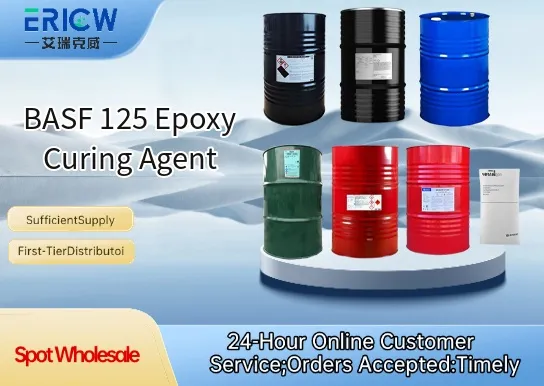
Fast-reacting aliphatic amine-based curing agent for room-temperature and accelerated epoxy systems.
Excellent chemical resistance, particularly to solvents, alkalis, and moderate acids after full cure.
Low viscosity enables easy handling, precise metering, and superior wetting of fillers and reinforcements.
Low volatility and reduced amine odor compared to conventional aliphatic amines—improving workplace safety.
Enables high glass transition temperature (Tg) and excellent mechanical strength in cured epoxy networks.
Structural adhesives for automotive and aerospace bonding applications.
High-performance flooring and industrial coating systems.
Electrical encapsulation and potting compounds for electronics protection.
Composite matrix resins for wind blade and marine laminates.
Repair mortars and polymer concretes for infrastructure rehabilitation.
| Chemical Type | Aliphatic polyamine |
| Product Form | Liquid |
| Appearance | Clear, pale yellow liquid |
| Primary Applications | Epoxy resin curing agent for structural adhesives, coatings, and composites |
| Key Features | Room-temperature cure capability, low viscosity, low volatility |
| Benefits | Improved worker safety, enhanced interfacial adhesion, high Tg build-up |
| Storage Stability | At least 12 months in original sealed container at 20–25 °C |
| Compatibility | Compatible with standard DGEBA and modified epoxy resins |
Q1: What is the primary chemical class of BASF 125?
A: BASF 125 is an amine-based epoxy curing agent, specifically formulated as a low-viscosity, aliphatic polyamine adduct designed to provide balanced reactivity and handling properties in ambient- and elevated-temperature cure systems.
Q2: Is BASF 125 suitable for food-contact or potable water applications?
A: BASF 125 is not pre-qualified for direct food-contact or potable water applications. Its suitability for such uses requires full regulatory evaluation by the formulator, including compliance with applicable regional regulations and end-use testing under final cured conditions.
Q3: How does BASF 125 compare to conventional DETA or TETA in terms of handling safety?
A: As a modified polyamine adduct, BASF 125 exhibits significantly reduced volatility and skin sensitization potential compared to unmodified aliphatic amines like DETA or TETA, making it safer to handle in industrial environments—though appropriate PPE and ventilation remain essential.
Q4: What types of epoxy resins is BASF 125 typically compatible with?
A: BASF 125 demonstrates broad compatibility with standard liquid and solid bisphenol-A and bisphenol-F based epoxy resins, as well as many novolac and cycloaliphatic epoxies—formulation optimization is recommended to achieve target pot life, cure speed, and final film properties.
Q5: What is the typical dosage range for BASF 125 in epoxy formulations?
A: Dosage depends on resin type, desired cure profile, and application requirements; it is generally used at low concentrations relative to the epoxy resin, often ranging from 0.1% to 2% by weight, with precise stoichiometry determined experimentally for each system.
Contact With Us:
E-mail: wangxingqiang@ericwchem.com
Have a Questions? Call Us:
Add:
Building A1, Jiete Industrial Park, Huangpu District, Guangzhou City, Guangdong Province, China