English
 Español
 tiếng việt
 русский
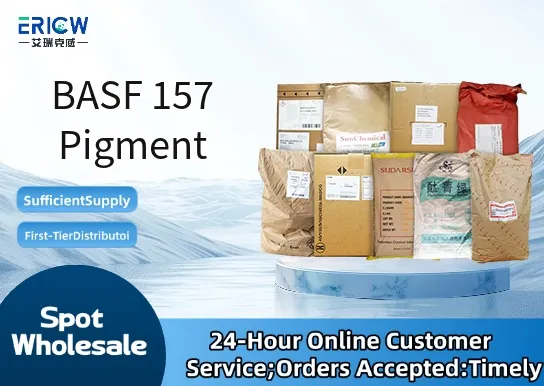
High chroma and excellent color strength for vibrant, consistent hue reproduction.
Outstanding thermal stability up to 280 °C, suitable for high-temperature processing.
Good dispersibility in both polar and non-polar polymer systems.
Low migration tendency, ensuring long-term color fidelity in demanding applications.
Compliant with major global regulatory frameworks including REACH and FDA 21 CFR for indirect food contact (when used as intended).
Automotive interior plastics (dashboards, trim components).
Packaging films and rigid containers requiring food-safe coloring.
Engineering thermoplastics such as polypropylene (PP), polyethylene (PE), and ABS.
Wire and cable jacketing materials exposed to elevated operating temperatures.
Household appliances and consumer electronics housings.
| Chemical Type | Azo pigment (benzimidazolone derivative) |
| Product Form | Free-flowing powder |
| Appearance | Reddish-orange fine powder |
| Primary Applications | Plastics, masterbatches, and industrial coatings |
| Key Features | Heat resistance, lightfastness (ISO 105-B02: Grade 7–8), weather resistance |
| Benefits | Enhanced processability, low dust generation, excellent batch-to-batch consistency |
| Recommended Loading Range | 0.1–2.0 wt% (depending on substrate and required opacity) |
| Storage Conditions | Store in cool, dry place; protect from moisture and direct sunlight |
Q1: What is the primary chemical nature of BASF 157 Pigment?
A: BASF 157 Pigment is an organic pigment based on a high-performance azo condensation structure, engineered for excellent thermal stability and lightfastness in demanding polymer processing environments.
Q2: In which polymer systems is BASF 157 Pigment most commonly used?
A: It is widely applied in polyolefins (e.g., PP and HDPE), engineering plastics such as polyamide and PBT, and selected thermoplastic elastomers—particularly where high dispersion stability and resistance to melt degradation are required.
Q3: How should BASF 157 Pigment be dispersed for optimal performance?
A: For best results, pre-dispersion using high-shear compounding or masterbatch production is recommended. It responds well to standard dispersing aids and carrier resins compatible with the target polymer matrix.
Q4: Is BASF 157 Pigment suitable for food-contact applications?
A: BASF 157 Pigment is not certified for direct food-contact use under major global regulatory frameworks. Customers requiring food-safe colorants should consult BASF’s portfolio of approved food-contact pigments and obtain formal regulatory documentation prior to use.
Q5: What is the typical dosage range when using BASF 157 Pigment in polymer formulations?
A: Dosage generally ranges from 0.1% to 2% by weight, depending on the desired shade intensity, polymer type, and processing conditions. It is typically used at low concentrations due to its high tinctorial strength and efficient dispersion behavior.
Contact With Us:
E-mail: wangxingqiang@ericwchem.com
Have a Questions? Call Us:
Add:
Building A1, Jiete Industrial Park, Huangpu District, Guangzhou City, Guangdong Province, China