English
 Español
 tiếng việt
 русский
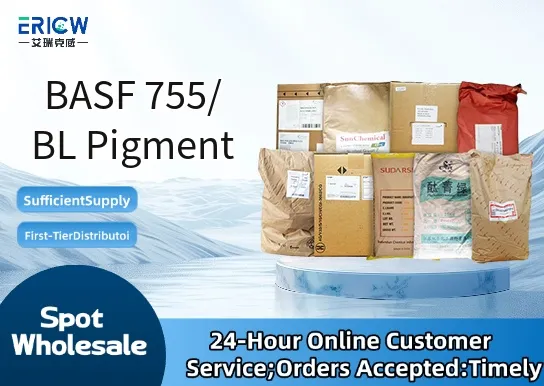
High chroma and excellent lightfastness for long-term color stability.
Outstanding heat stability suitable for high-temperature processing up to 280 °C.
Good dispersibility in polymer melts, enabling uniform coloration with low energy input.
Low migration tendency, ensuring color integrity in demanding end-use environments.
Compliant with global regulatory frameworks including EU REACH and US FDA 21 CFR for specific polymer applications.
Polypropylene (PP) fibers and injection-molded automotive components.
Polyethylene (PE) blow-molded containers and packaging films.
Engineering plastics such as polyamide (PA6/PA66) for technical parts.
Thermoplastic elastomers (TPE) used in consumer goods and seals.
Masterbatch formulations for OEM and compounder supply chains.
| Chemical Type | High-performance organic pigment (Benzimidazolone derivative) |
| Product Form | Free-flowing granular concentrate |
| Appearance | Blue-black granules |
| Primary Applications | Polyolefins, engineering thermoplastics, TPEs |
| Key Features | Heat resistance, low volatility, non-bleeding |
| Benefits | Consistent batch-to-batch color accuracy, minimal filter clogging |
| Regulatory Status | REACH registered; compliant with FDA 21 CFR §178.3297 for PP/PE food-contact applications (subject to formulation and use conditions) |
| Recommended Carrier | Polypropylene or low-MI HDPE |
Q1: What is the primary chemical nature and classification of BASF 755/ BL Pigment?
A: BASF 755/ BL Pigment is a high-performance, organic blue pigment based on a copper phthalocyanine derivative. It is classified as a pigmentary grade, offering excellent lightfastness, weather resistance, and thermal stability suitable for demanding industrial applications.
Q2: In which polymer systems is BASF 755/ BL Pigment commonly processed?
A: This pigment demonstrates good compatibility and dispersion stability in a wide range of thermoplastics, including polyolefins (PP, PE), PVC, PS, ABS, and engineering plastics such as PA and PC. It is also suitable for use in masterbatch formulations and liquid inks where high chroma and consistency are required.
Q3: How should BASF 755/ BL Pigment be dispersed for optimal performance?
A: Optimal dispersion is achieved using high-shear equipment such as twin-screw extruders or high-speed dispersers. Pre-wetting with compatible carriers and controlled temperature profiles during compounding help ensure uniform distribution and maximize color strength and transparency.
Q4: Is BASF 755/ BL Pigment suitable for food-contact or pharmaceutical applications?
A: While BASF 755/ BL Pigment meets general regulatory expectations for heavy metal content and purity, its suitability for food-contact or pharmaceutical use depends on final formulation compliance and regional regulatory assessments. Customers must validate conformance with applicable local requirements before use in such applications.
Q5: What are typical dosage levels when using BASF 755/ BL Pigment in polymer coloring?
A: Dosage depends on the desired shade intensity, substrate opacity, and processing conditions, but it is typically used at low concentrations—generally ranging from 0.1% to 2% by weight in final polymer compounds.
Contact With Us:
E-mail: wangxingqiang@ericwchem.com
Have a Questions? Call Us:
Add:
Building A1, Jiete Industrial Park, Huangpu District, Guangzhou City, Guangdong Province, China