English
 Español
 tiếng việt
 русский
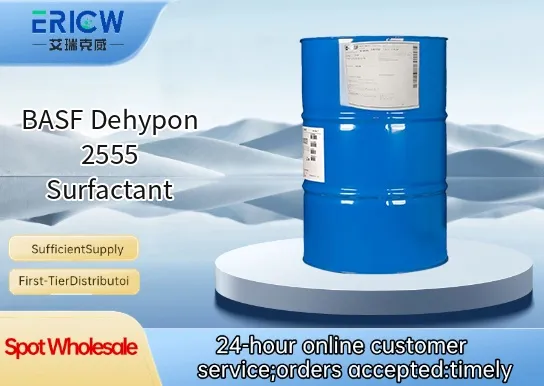
Nonionic surfactant based on alkyl polyglucoside (APG) chemistry for excellent biodegradability and low ecotoxicity.
Outstanding foaming performance with rich, stable, and creamy foam even in hard water conditions.
Mild to skin and eyes—ideal for personal care formulations requiring high tolerability.
Excellent compatibility with anionic, cationic, and amphoteric surfactants in complex detergent systems.
High solubility in water and broad pH stability (pH 3–12), enabling versatile formulation flexibility.
Shampoos and body washes requiring mildness and luxurious foam.
Hand soaps and liquid cleansers for professional and household use.
Baby care products where gentle cleansing and low irritation potential are critical.
Eco-friendly industrial cleaning agents targeting sustainable certifications (e.g., EU Ecolabel, Cradle to Cradle).
Specialty detergents for sensitive textiles and technical fabrics.
| Chemical Type | Alkyl Polyglucoside (C8–C10) |
| Product Form | Pale yellow to amber viscous liquid |
| Appearance | Clear to slightly opalescent liquid |
| pH (10% aqueous solution) | 6.5–8.5 |
| Active Content (w/w %) | 55–60% |
| Free Fatty Alcohol Content | < 1.0% |
| Biodegradability (OECD 301D) | > 90% after 28 days |
| Solubility | Completely miscible with water at room temperature |
Q1: What is the primary chemical nature of Dehypon 2555?
A: Dehypon 2555 is a nonionic surfactant based on alkyl polyglucoside (APG) chemistry, offering excellent biodegradability and mildness while maintaining robust surface-active performance in aqueous systems.
Q2: In which types of industrial cleaning formulations is Dehypon 2555 most commonly applied?
A: It is widely used in low-foaming, high-rinsing industrial cleaners—especially for metal parts cleaning, CIP (clean-in-place) solutions, and precision cleaning where residue control and compatibility with hard water are critical.
Q3: How does Dehypon 2555 perform in the presence of electrolytes or varying pH conditions?
A: As a nonionic APG-based surfactant, Dehypon 2555 exhibits good stability across a broad pH range (approximately pH 4–12) and maintains performance in the presence of common inorganic salts, making it suitable for formulated systems containing builders or corrosion inhibitors.
Q4: Is Dehypon 2555 compatible with other surfactant classes in blended systems?
A: Yes—it shows good compatibility with anionic, cationic, and amphoteric surfactants, enabling synergistic formulation effects such as enhanced detergency, foam control, or improved solubilization—though compatibility should be verified experimentally for specific combinations and concentrations.
Q5: What are typical handling and storage recommendations for Dehypon 2555?
A: Store in original sealed containers at temperatures between 5 °C and 30 °C, away from direct sunlight and freezing conditions. The product is supplied as a viscous liquid and may require gentle warming to facilitate pumping or metering in cold ambient conditions.
Contact With Us:
E-mail: wangxingqiang@ericwchem.com
Have a Questions? Call Us:
Add:
Building A1, Jiete Industrial Park, Huangpu District, Guangzhou City, Guangdong Province, China