English
 Español
 tiếng việt
 русский
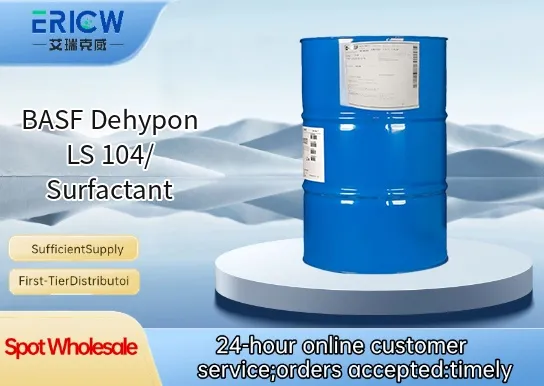
Nonionic surfactant based on linear alcohol ethoxylate (C12–C15, EO ≈ 7) with excellent wetting and emulsifying performance.
High foaming capacity combined with good foam stability in hard water and across a broad pH range (pH 4–12).
Low irritation potential and favorable ecotoxicological profile, supporting sustainable formulation design.
Outstanding compatibility with anionic, cationic, and amphoteric surfactants—ideal for complex detergent and cleaning systems.
Readily biodegradable (OECD 301E compliant), aligning with global regulatory and environmental requirements.
Household liquid dishwashing detergents requiring high grease-cutting and foam persistence.
Industrial and institutional (I&I) hard-surface cleaners for food processing and healthcare environments.
Carpet and upholstery shampoos where soil suspension and rapid rinsability are critical.
Agrochemical adjuvants for improving spray droplet spreading and active ingredient uptake.
Personal care cleansing formulations including hand soaps and body washes seeking mildness and rich lather.
| Chemical Type | Linear alcohol ethoxylate (C12–C15, ~7 EO units) |
| Product Form | Pale yellow to amber viscous liquid |
| Appearance | Clear to slightly opalescent, homogeneous liquid at 25 °C |
| pH (1% aqueous solution) | 5.5–7.0 |
| Active Content (w/w %) | 98–100% |
| Density (20 °C) | 1.02–1.04 g/cm³ |
| Solubility | Freely soluble in water and common organic solvents (e.g., ethanol, propylene glycol) |
| Key Features | Nonionic, low-foam adjustable, cold-water soluble, low odor |
Q1: What is the primary function of Dehypon LS 104 in industrial formulations?
A: Dehypon LS 104 is a nonionic surfactant based on linear alcohol ethoxylates, primarily used for its excellent wetting, emulsifying, and solubilizing properties in aqueous systems. It supports stable dispersion of hydrophobic components and enhances surface activity in cleaning, agrochemical, and coating applications.
Q2: Is Dehypon LS 104 suitable for low-foaming applications?
A: Yes — it exhibits inherently low to moderate foaming behavior, especially under dynamic conditions and in the presence of electrolytes. This makes it well-suited for high-shear processes such as industrial cleaning, metalworking fluids, and spray applications where excessive foam can interfere with performance.
Q3: How does Dehypon LS 104 perform in hard water environments?
A: As a nonionic surfactant, Dehypon LS 104 maintains good stability and performance in hard water, with minimal sensitivity to calcium and magnesium ions. Its efficacy remains consistent across a broad range of water hardness levels, supporting reliable formulation performance without requiring additional chelating agents in many cases.
Q4: Can Dehypon LS 104 be blended with anionic or cationic surfactants?
A: It is generally compatible with most anionic surfactants and can be formulated into mixed systems to balance performance attributes such as detergency, foam control, and emulsion stability. Compatibility with cationic species should be evaluated case-by-case, as interactions may affect clarity or viscosity depending on pH and concentration.
Q5: What are typical dosage ranges for Dehypon LS 104 in end-use applications?
A: Dosage depends on formulation requirements and target performance, but it is typically used at low concentrations — generally ranging from 0.1% to 2% by weight in final products such as cleaners, crop protection adjuvants, or pigment dispersions.
Contact With Us:
E-mail: wangxingqiang@ericwchem.com
Have a Questions? Call Us:
Add:
Building A1, Jiete Industrial Park, Huangpu District, Guangzhou City, Guangdong Province, China