English
 Español
 tiếng việt
 русский
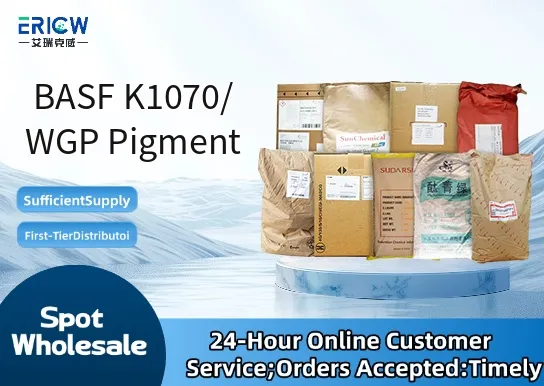
High chroma and excellent color strength for vivid, consistent tinting performance.
Outstanding thermal stability suitable for high-temperature processing up to 280 °C.
Good dispersibility in both polar and non-polar polymer matrices without additional surfactants.
Excellent lightfastness and weather resistance (Xenon arc tested per ISO 4892-2).
Non-hazardous formulation compliant with REACH and RoHS directives.
Automotive interior plastics including dashboards, trim components, and door panels.
Engineering thermoplastics such as polyamide (PA6, PA66) and polybutylene terephthalate (PBT).
Consumer electronics housings requiring stable color under UV exposure and heat cycling.
Household appliances with demanding aesthetic and regulatory requirements (e.g., food-contact adjacent parts).
| Chemical Type | Organic pigment (quinacridone derivative) |
| Product Form | Free-flowing granular concentrate |
| Appearance | Red-violet granules |
| Primary Applications | Engineering plastics, automotive components, durable consumer goods |
| Key Features | Thermal stability, dispersion efficiency, lightfastness, regulatory compliance |
| Benefits | Reduced pigment loading, consistent batch-to-batch color, low dust generation during handling |
| Regulatory Status | Compliant with EU REACH Annex XIV (non-SVHC), RoHS 2011/65/EU, and FDA 21 CFR §178.3297 (indirect food contact) |
Q1: What is the primary function of BASF K1070/WGP Pigment in polymer systems?
A: BASF K1070/WGP Pigment is a high-performance white pigment dispersion designed to provide excellent opacity, brightness, and uniform coloration in thermoplastic and thermoset polymers—particularly where high thermal stability and low volatility are required during processing.
Q2: Is BASF K1070/WGP Pigment suitable for food-contact applications?
A: This pigment dispersion is formulated for use in polyolefins, engineering plastics, and other polymer matrices where regulatory compliance is needed; however, suitability for food-contact applications depends on final formulation, processing conditions, and regional regulatory evaluation—users must conduct full compliance verification per applicable local requirements.
Q3: How should BASF K1070/WGP Pigment be incorporated into polymer melts?
A: It is typically introduced via masterbatch dilution or direct melt compounding using standard extrusion equipment. Good dispersion is achieved under moderate shear and temperatures compatible with the host polymer—pre-drying is generally not required, but moisture content should be monitored in hygroscopic systems.
Q4: Does BASF K1070/WGP Pigment offer resistance to UV degradation?
A: While the pigment itself exhibits inherent UV stability due to its inorganic composition, long-term weathering performance in end-use articles depends on synergistic effects with polymer matrix, stabilizers, and environmental exposure—complementary UV stabilizers are recommended for outdoor applications requiring extended durability.
Q5: What is the typical dosage range for BASF K1070/WGP Pigment in polymer formulations?
A: Dosage varies depending on desired opacity, polymer type, and processing method, but it is generally used at low concentrations—typically ranging from 0.1% to 2% by weight relative to the base polymer—to achieve optimal performance without compromising mechanical properties.
Contact With Us:
E-mail: wangxingqiang@ericwchem.com
Have a Questions? Call Us:
Add:
Building A1, Jiete Industrial Park, Huangpu District, Guangzhou City, Guangdong Province, China