English
 Español
 tiếng việt
 русский
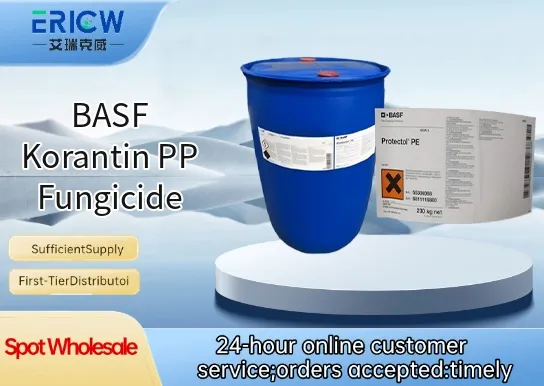
Proprietary pyrimidinamine-based active ingredient with dual-site inhibition mode of action for robust resistance management.
Excellent preventive and curative activity against key oomycete pathogens including Phytophthora and Pythium spp.
Strong translaminar movement and systemic redistribution within plant tissues for extended protection.
Low phytotoxicity profile on sensitive crops under recommended use conditions.
Compatible with integrated pest management (IPM) programs and many common adjuvants and tank-mix partners.
Greenhouse and field-grown tomatoes for control of late blight (Phytophthora infestans).
Protected cultivation of cucumbers and peppers targeting Phytophthora capsici and Pythium root rot.
Nursery production of ornamental bedding plants and young vegetable transplants.
Hydroponic and soilless substrate systems where oomycete disease pressure is high.
Seedling trays and propagation tunnels to safeguard early-stage crop establishment.
| Chemical Type | Pyrimidinamine fungicide (active ingredient: fluopicolide) |
| Product Form | Flowable concentrate (SC) |
| Appearance | Off-white to light beige suspension |
| Primary Applications | Preventive and early-curative foliar and drench application |
| Key Features | Translaminar activity, low volatility, UV-stable formulation |
| Benefits | Flexible application timing, reduced re-entry interval (REI), favorable ecotoxicological profile |
| Storage Conditions | Store in original container at 5–30 °C; protect from freezing and direct sunlight |
| Shelf Life | 24 months from date of manufacture under recommended storage |
Q1: What is the primary mode of action of BASF Korantin PP Fungicide?
A: Korantin PP is a broad-spectrum fungicide based on prothioconazole, acting through inhibition of ergosterol biosynthesis in fungal cell membranes. This disrupts membrane integrity and cellular function, delivering preventive and curative activity against key ascomycete and basidiomycete pathogens.
Q2: Which crops and diseases is Korantin PP Fungicide typically registered for?
A: Korantin PP is widely used in cereals (e.g., wheat, barley), oilseed rape, soybeans, and selected horticultural crops. It provides effective control of major diseases including Septoria leaf blotch, rusts, powdery mildew, and Fusarium head blight—subject to local regulatory approvals and label specifications.
Q3: Is Korantin PP compatible with common adjuvants and tank-mix partners?
A: Yes, Korantin PP generally exhibits good physical and biological compatibility with many standard adjuvants, insecticides, and other fungicides. However, users should always perform a jar test before large-scale tank mixing and consult the latest product label and compatibility guides for validated combinations.
Q4: What are the recommended application timings and intervals?
A: Application timing depends on crop growth stage and disease pressure, but optimal use typically occurs during early to mid-canopy development—for example, at GS31–39 in cereals. Repeat applications should follow label-recommended minimum intervals to support resistance management and avoid phytotoxicity risks.
Contact With Us:
E-mail: wangxingqiang@ericwchem.com
Have a Questions? Call Us:
Add:
Building A1, Jiete Industrial Park, Huangpu District, Guangzhou City, Guangdong Province, China