English
 Español
 tiếng việt
 русский
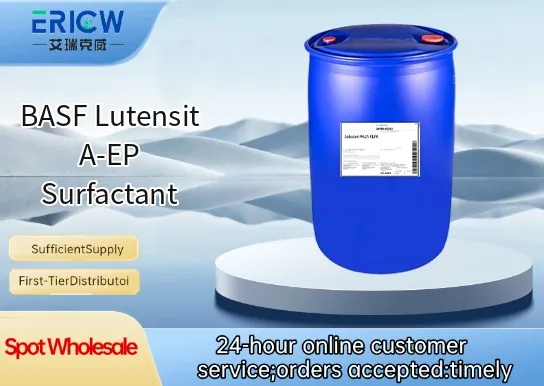
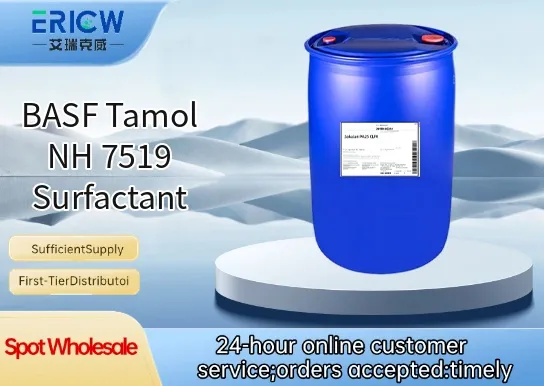
Highly effective amphoteric surfactant based on betaine chemistry for mild yet efficient cleansing.
Excellent foaming performance with rich, stable, and creamy foam even in hard water.
Superior skin compatibility and low irritation potential, ideal for sensitive-skin formulations.
Strong synergistic effect with anionic surfactants (e.g., SLES), enhancing viscosity and foam stability.
pH-stable across a broad range (pH 4–8), ensuring formulation robustness and shelf-life reliability.
Personal care shampoos and body washes requiring mildness and luxurious lather.
Facial cleansers and baby care products where low occlusivity and high tolerability are critical.
Color-safe and sulfate-free hair care systems seeking functional performance without harshness.
Viscosity-boosting co-surfactant in liquid detergent concentrates for household cleaning.
| Chemical Type | Alkylamido propyl betaine (amphoteric) |
| Product Form | Clear to slightly opalescent viscous liquid |
| Appearance | Pale yellow to light amber |
| Active Content (as-is) | ≥ 30% w/w |
| pH (10% aqueous solution) | 5.0 – 7.0 |
| Density (20 °C) | 1.03 – 1.07 g/cm³ |
| Solubility | Freely soluble in water; miscible with common cosmetic solvents |
| Primary Applications | Mild personal care cleansers, co-surfactant in liquid detergents |
Q1: What is the primary function of Lutensit A-EP in formulations?
A: Lutensit A-EP is an ethoxylated amine surfactant designed primarily to provide efficient emulsification, stabilization, and wetting in aqueous systems—especially in challenging environments involving hard water or elevated temperatures.
Q2: Is Lutensit A-EP compatible with anionic surfactants?
A: While Lutensit A-EP is cationic in nature due to its protonated amine functionality at acidic to neutral pH, it can exhibit limited compatibility with certain anionic surfactants under carefully controlled conditions—such as low concentrations, specific pH ranges, and appropriate addition sequences. Compatibility testing in the final formulation is strongly recommended.
Q3: How does temperature affect the performance of Lutensit A-EP?
A: Lutensit A-EP demonstrates good thermal stability and retains effective surface activity across a broad temperature range, making it suitable for high-temperature processing steps such as hot-fill applications or pasteurization cycles commonly used in industrial cleaning and personal care manufacturing.
Q4: Can Lutensit A-EP be used in rinse-off versus leave-on cosmetic products?
A: Yes—Lutensit A-EP is widely applied in both rinse-off systems (e.g., shampoos, body washes) for conditioning and foam enhancement, and in select leave-on formulations (e.g., lotions, creams) where mild cationic deposition and film-forming properties are beneficial. Its use level and overall formulation balance must be optimized for each application type.
Q5: What are key handling and storage recommendations for Lutensit A-EP?
A: Store in original sealed containers at moderate ambient temperatures, away from strong oxidizing agents and direct sunlight. Avoid prolonged exposure to freezing conditions, as crystallization may occur—though full functionality is typically restored upon gentle warming and homogenization.
Contact With Us:
E-mail: wangxingqiang@ericwchem.com
Have a Questions? Call Us:
Add:
Building A1, Jiete Industrial Park, Huangpu District, Guangzhou City, Guangdong Province, China