English
 Español
 tiếng việt
 русский
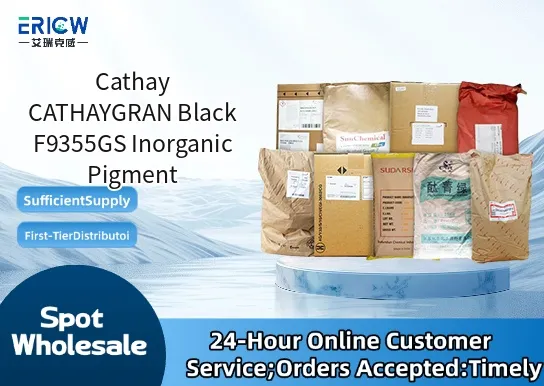
High thermal stability up to 800°C, suitable for high-temperature processing environments.
Excellent lightfastness and weather resistance, ensuring long-term color retention outdoors.
Non-toxic and heavy-metal-free formulation, compliant with global regulatory standards including REACH and RoHS.
Superior dispersion stability in aqueous and solvent-based systems without flocculation.
Consistent particle size distribution for uniform black shade and optimal hiding power.
Architectural coatings and exterior wall paints requiring durable, fade-resistant black coloration.
Plastic colorants for engineering thermoplastics including polypropylene (PP), polyethylene (PE), and ABS.
Ceramic glazes and underglaze decorations fired at medium-to-high temperatures.
Industrial powder coatings exposed to UV radiation and thermal cycling.
Construction materials such as colored concrete, mortars, and roof tiles.
| Chemical Type | Mixed Metal Oxide (Fe–Mn–Cr spinel) |
| Product Form | Fine dry powder |
| Appearance | Jet-black granular powder |
| Primary Applications | Coatings, plastics, ceramics, construction materials |
| Key Features | Heat resistant, UV stable, chemically inert, non-volatile |
| Benefits | Low dosage requirement, excellent tinting strength, low oil absorption |
| pH (10% aqueous slurry) | 6.5 – 7.5 |
| Volatile Matter (105°C, 2 hrs) | ≤ 0.5 wt% |
Q1: What is the primary chemical composition of CATHAYGRAN Black F9355GS?
A: CATHAYGRAN Black F9355GS is a high-performance inorganic black pigment based on mixed metal oxides, engineered for thermal and chemical stability. Its exact phase composition is proprietary, but it is formulated to deliver consistent jet-black hue, low chromaticity shift under heat, and minimal catalytic activity in sensitive polymer systems.
Q2: Is this pigment suitable for use in food-contact plastics?
A: CATHAYGRAN Black F9355GS is designed for industrial and engineering thermoplastics where regulatory compliance is required. While it contains no intentionally added heavy metals above typical trace impurity levels, formal food-contact approval depends on final formulation, processing conditions, and applicable regional regulations—users must conduct full migration and safety assessments per their target market requirements.
Q3: How does F9355GS perform during high-temperature processing, such as injection molding of engineering resins?
A: This pigment demonstrates excellent thermal stability up to 320 °C, maintaining color integrity and dispersion without blooming or gas generation in polyamide, PBT, and PPS compounds. It is especially suited for applications requiring extended residence time at elevated melt temperatures.
Q4: What is the recommended dispersion method for optimal color development and consistency?
A: For best results, pre-disperse F93555GS using high-shear compounding—such as twin-screw extrusion with adequate residence time and temperature profiling. Dry blending alone is not recommended; masterbatch dilution or liquid carrier-based pre-mixing may be used depending on the base resin and equipment configuration.
Contact With Us:
E-mail: wangxingqiang@ericwchem.com
Have a Questions? Call Us:
Add:
Building A1, Jiete Industrial Park, Huangpu District, Guangzhou City, Guangdong Province, China