English
 Español
 tiếng việt
 русский
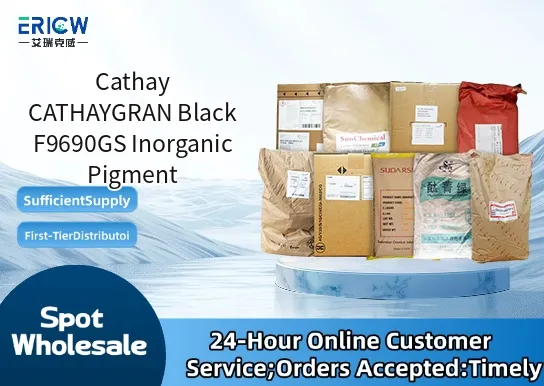
High thermal stability suitable for processing temperatures up to 800 °C.
Excellent UV and lightfastness, ensuring long-term color retention in outdoor applications.
Chemically inert with outstanding resistance to acids, alkalis, and solvents.
Low oil absorption for improved dispersion efficiency and reduced binder demand.
Non-toxic composition compliant with major global regulatory frameworks including REACH and RoHS.
Ceramic glazes and underglaze decorations requiring high-temperature stability.
Architectural and industrial coatings exposed to harsh environmental conditions.
Plastics for automotive interior components and exterior trim parts.
Specialty inks for heat-resistant labeling and packaging films.
Construction materials including colored concrete, terracotta, and roof tiles.
| Chemical Type | Mixed Metal Oxide (Fe–Mn–Cr spinel-based) |
| Product Form | Fine dry powder |
| Appearance | Jet-black granular powder |
| Primary Applications | Ceramics, coatings, plastics, construction materials |
| Key Features | Heat resistance, chemical inertness, weather resistance |
| Benefits | Consistent batch-to-batch color, low volatility, non-hazardous handling |
| Density (g/cm³) | 4.8 – 5.2 |
| Particle Size (D50, µm) | 1.2 – 1.8 |
Q1: What is the primary chemical composition of CATHAYGRAN Black F9690GS?
A: CATHAYGRAN Black F9690GS is a high-performance inorganic black pigment based on mixed metal oxides, engineered for thermal and chemical stability. Its exact formulation is proprietary, but it contains no elemental carbon or organic dyes, distinguishing it from carbon blacks and organic pigments.
Q2: Is this pigment suitable for use in polyolefin compounds exposed to high-temperature processing?
A: Yes — F9690GS is specifically developed for demanding thermoplastic applications, including polypropylene and polyethylene. It demonstrates excellent dispersion stability and minimal color shift during extrusion and injection molding at temperatures up to 300°C.
Q3: How does F9690GS compare to carbon black in terms of UV resistance and weathering performance?
A: Unlike conventional carbon blacks, F9690GS offers superior UV inertness and long-term color retention under outdoor exposure, with reduced risk of surface blooming or migration. It is particularly preferred in applications where consistent jetness and lightfastness are critical over extended service life.
Q4: What is the recommended method for achieving optimal dispersion in polymer melts?
A: For best results, pre-mixing with carrier resin followed by twin-screw extrusion is recommended. The pigment’s surface treatment supports compatibility with common dispersing aids and melt-processing equipment, enabling uniform distribution without agglomeration at typical loadings.
Q5: Can F9690GS be used in food-contact or regulatory-sensitive applications?
A: While F9690GS is an inorganic pigment with inherently low solubility and migration potential, formal regulatory clearance (e.g., FDA, EFSA) must be verified case-by-case per final formulation and end-use conditions. Customers are advised to consult Cathay technical support for documentation supporting specific compliance pathways.
Contact With Us:
E-mail: wangxingqiang@ericwchem.com
Have a Questions? Call Us:
Add:
Building A1, Jiete Industrial Park, Huangpu District, Guangzhou City, Guangdong Province, China