English
 Español
 tiếng việt
 русский
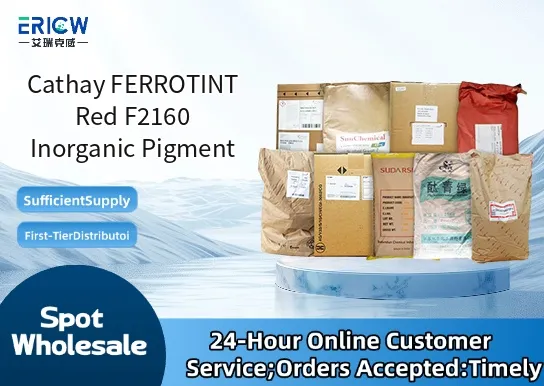
High thermal stability up to 800 °C, suitable for high-temperature ceramic and enamel applications.
Excellent lightfastness and weather resistance, ensuring long-term color retention under UV exposure.
Non-toxic and heavy-metal-free formulation, compliant with global regulatory standards including RoHS and REACH.
Strong tinting strength and consistent batch-to-batch color reproducibility.
Good dispersibility in aqueous and solvent-based systems without requiring specialized grinding aids.
Ceramic glazes and frits for tableware, sanitaryware, and architectural tiles.
High-performance architectural coatings and industrial finishes.
Plastic coloration for outdoor applications, including PP, HDPE, and engineering polymers.
Specialty inks for packaging and decorative printing requiring heat resistance.
Colored concrete, terrazzo, and precast building elements.
| Chemical Type | Iron-based mixed metal oxide (Fe–Cr–Mn spinel) |
| Product Form | Fine dry powder |
| Appearance | Free-flowing reddish-brown powder |
| Primary Applications | Ceramics, coatings, plastics, construction materials |
| Key Features | Thermally stable, UV-resistant, non-hazardous |
| Benefits | Consistent hue, low oil absorption, minimal dust generation |
| Recommended Storage | Sealed container, cool and dry environment, avoid moisture |
| Regulatory Compliance | RoHS Directive 2011/65/EU, REACH SVHC-free |
Q1: What is the primary chemical composition of Cathay FERROTINT Red F2160?
A: Cathay FERROTINT Red F2160 is an iron oxide-based inorganic pigment, primarily composed of hematite (α-Fe₂O₃), engineered for high color strength, thermal stability, and chemical inertness in demanding industrial applications.
Q2: Is this pigment suitable for use in food-contact plastics or coatings?
A: Cathay FERROTINT Red F2160 is not certified for direct food-contact applications. It is intended for general industrial use in non-food-related plastics, coatings, construction materials, and rubber. For regulated applications, consult applicable regional regulatory frameworks and conduct full compliance testing.
Q3: How does F2160 perform under elevated temperature conditions?
A: As a thermally stable iron oxide pigment, F2160 maintains its color integrity and structural stability during standard polymer processing (e.g., extrusion, injection molding) and curing cycles commonly used in architectural coatings and industrial finishes.
Q4: What dispersion methods are recommended for optimal performance in liquid systems?
A: For consistent color development and rheology control, high-shear dispersion using suitable wetting agents and dispersants is recommended. Pre-dispersed pastes or mill bases may be used depending on the vehicle system—consult technical support for formulation-specific guidance.
Q5: Can F2160 be blended with other inorganic pigments without adverse interaction?
A: Yes—F2160 exhibits excellent compatibility with common inorganic pigments such as titanium dioxide, carbon black, and other iron oxide variants. Blending is widely practiced to achieve custom shades and optimize opacity, provided pH and ionic environment remain within typical formulation limits.
Contact With Us:
E-mail: wangxingqiang@ericwchem.com
Have a Questions? Call Us:
Add:
Building A1, Jiete Industrial Park, Huangpu District, Guangzhou City, Guangdong Province, China