English
 Español
 tiếng việt
 русский
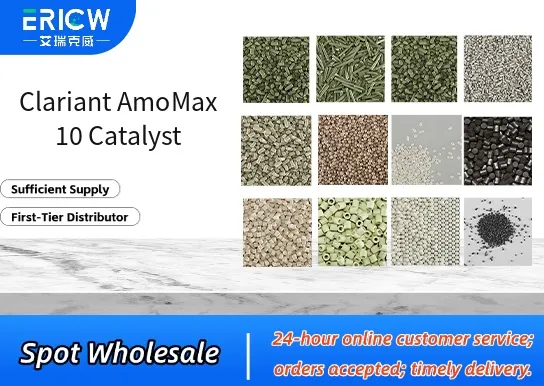
Highly selective ammonia oxidation catalyst optimized for low-pressure, low-temperature nitric acid production.
Enhanced thermal stability and long service life under demanding industrial operating conditions.
Low platinum group metal (PGM) loading with optimized rhodium–platinum alloy composition for cost-effective performance.
Robust resistance to poisoning from trace impurities such as chlorine, sulfur, and alkali metals.
Consistent activity retention over extended run cycles, minimizing unplanned shutdowns and maintenance frequency.
Primary ammonia oxidation in single- or multi-pressure nitric acid plants.
Modernized nitric acid facilities requiring high conversion efficiency at reduced operating pressures.
Greenfield nitric acid installations designed for energy efficiency and lower NOx emissions.
Integrated fertilizer complexes where catalyst reliability directly impacts downstream urea and ammonium nitrate production.
On-site nitric acid generation for specialty chemical synthesis and explosives manufacturing.
| Chemical Type | Rhodium–platinum alloy on ceramic support |
| Product Form | Wire gauze (standard roll format, customizable mesh density) |
| Appearance | Shiny metallic gray gauze with uniform weave structure |
| Primary Applications | Ammonia oxidation for nitric acid production |
| Key Features | High selectivity to NO, low N2O formation, excellent mechanical integrity |
| Operating Temperature Range | 800–950 °C (inlet gas temperature) |
| Recommended Gas Velocity | 1.8–2.4 m/s (at standard conditions) |
| Storage Conditions | Dry, inert atmosphere; avoid exposure to moisture and halogen compounds |
Q1: What is the primary function of AmoMax 10 in polyurethane foam production?
A: AmoMax 10 is a highly active, non-volatile amine catalyst specifically designed to promote the urea-forming reaction (isocyanate–water reaction) in flexible and semi-rigid polyurethane foams, enabling efficient cell opening and improved foam structure without excessive volatility or odor issues.
Q2: How does AmoMax 10 differ from traditional tertiary amine catalysts?
A: Unlike volatile low-molecular-weight amines, AmoMax 10 is a proprietary, high-boiling liquid with negligible vapor pressure, resulting in reduced workplace exposure concerns, lower odor impact, and improved formulation stability—especially in high-temperature or vacuum-assisted processing environments.
Q3: Is AmoMax 10 compatible with common polyol and isocyanate systems used in slabstock and molded foam applications?
A: Yes—AmoMax 10 demonstrates broad compatibility with conventional polyester and polyether polyols, as well as aromatic isocyanates (e.g., MDI and TDI blends), and is routinely used in both water-blown and mixed-blown flexible foam systems without adverse gelling or phase separation effects.
Q4: What are typical handling and storage recommendations for AmoMax 10?
A: Store in tightly sealed containers under dry, cool conditions (below 30 °C) and away from strong oxidizing agents. It is moisture-sensitive over extended periods; therefore, minimizing air exposure during handling is recommended to maintain catalytic activity and shelf life.
Q5: Can AmoMax 10 be used in low-emission or automotive-grade foam formulations?
A: Yes—its non-volatile nature supports compliance with stringent VOC and fogging requirements in automotive interior applications; however, final emission performance depends on the full formulation and post-cure conditions, and should be validated through system-specific testing.
Contact With Us:
E-mail: wangxingqiang@ericwchem.com
Have a Questions? Call Us:
Add:
Building A1, Jiete Industrial Park, Huangpu District, Guangzhou City, Guangdong Province, China