English
 Español
 tiếng việt
 русский
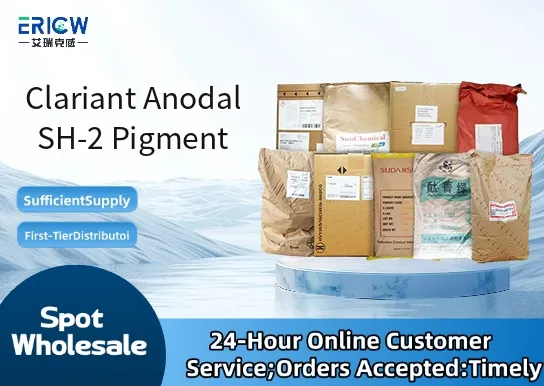
High chroma and excellent color strength in anodic aluminum oxide (AAO) electrolytic coloring baths.
Superior lightfastness and weather resistance, ensuring long-term color stability under UV exposure.
Excellent dispersion stability in acidic electrolyte systems, minimizing sedimentation and bath maintenance.
Consistent batch-to-batch reproducibility, supporting stringent quality control in industrial anodizing lines.
Low metal impurity content, reducing risk of electrolyte contamination and improving anodized film integrity.
Architectural aluminum profiles for façades and curtain walls.
Consumer electronics housings requiring durable, high-gloss colored finishes.
Automotive trim components exposed to outdoor environments.
Industrial signage and decorative panels with demanding aesthetic and performance requirements.
Aerospace interior extrusions where color consistency and corrosion resistance are critical.
| Chemical Type | Organic azo-based pigment, optimized for electrolytic deposition |
| Product Form | Fine powder, free-flowing granules |
| Appearance | Dark brown to blackish-brown powder |
| Primary Applications | Electrolytic coloring of anodized aluminum (Type II & III) |
| Key Features | Acid-stable, non-bleeding, high thermal stability up to 200 °C |
| Benefits | Enables deep, uniform black shades with minimal post-treatment |
| pH Range Compatibility | 1.5–3.5 (optimized for sulfuric acid-based anodizing baths) |
| Storage Conditions | Store in cool, dry place; protect from moisture and direct sunlight |
Q1: What is the primary application of Clariant Anodal SH-2 Pigment?
A: Clariant Anodal SH-2 Pigment is specifically engineered for use in anodized aluminum coloring applications, where it delivers stable, lightfast, and uniform black-to-dark gray hues through electrolytic deposition in sulfuric acid-based anodizing baths.
Q2: Is Anodal SH-2 compatible with standard sulfuric acid anodizing processes?
A: Yes — Anodal SH-2 is formulated for compatibility with conventional AC and DC anodizing systems operating in sulfuric acid electrolytes. It performs reliably across typical bath temperatures (18–22 °C) and current densities used in architectural and industrial anodizing lines.
Q3: How is dosage typically controlled in the anodizing bath?
A: Dosage is adjusted based on desired shade intensity and bath volume, and is generally maintained at low concentrations — typically ranging from 0.1% to 2% by weight relative to the electrolyte — with continuous monitoring and replenishment recommended to ensure consistent color development.
Q4: Does Anodal SH-2 require special handling or stabilization additives?
A: While Anodal SH-2 is designed for inherent bath stability, optimal performance is achieved when used with Clariant-recommended stabilizers and pH control agents. Pre-dissolution in deionized water and gradual addition to the circulating bath are advised to avoid localized precipitation.
Q5: Can Anodal SH-2 be used in combination with other anodizing dyes?
A: Yes — Anodal SH-2 is compatible with selected organic dyes and metal salt-based colorants for achieving custom shades; however, co-use requires careful evaluation of dye interaction, bath stability, and final color consistency under production conditions.
Contact With Us:
E-mail: wangxingqiang@ericwchem.com
Have a Questions? Call Us:
Add:
Building A1, Jiete Industrial Park, Huangpu District, Guangzhou City, Guangdong Province, China