English
 Español
 tiếng việt
 русский
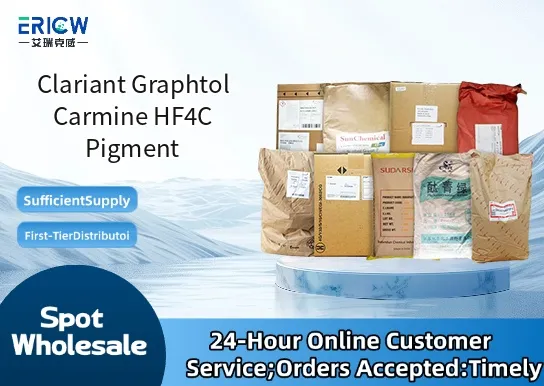
High chroma and excellent color strength for vibrant, consistent carmine red shades.
Outstanding thermal stability suitable for high-temperature processing up to 280 °C.
Good lightfastness and weather resistance in demanding outdoor applications.
Low migration behavior, meeting stringent regulatory requirements for food-contact-adjacent packaging.
Optimized particle size distribution for superior dispersion and gloss retention in polymer systems.
Polyolefin packaging films (e.g., BOPP, CPP) for confectionery and pharmaceutical blister packs.
Injection-molded polypropylene containers and caps requiring FDA-compliant coloration.
Thermoformed trays and rigid food packaging with high clarity and color fidelity.
Engineering plastics including ABS and PS for consumer electronics housings and appliance components.
Masterbatch formulations for automotive interior trim where heat and UV stability are critical.
| Chemical Type | Quinacridone-based organic pigment |
| Product Form | Free-flowing powder |
| Appearance | Red-violet free-flowing powder |
| Primary Applications | Polyolefins, engineering thermoplastics, masterbatches |
| Key Features | Heat stability, low migration, high tinctorial strength |
| Regulatory Compliance | EU REACH registered; compliant with FDA 21 CFR §178.3297 for polymer additives |
| Recommended Carrier Resin | PP, PE, or EVA-based masterbatches |
| Storage Conditions | Store in cool, dry place below 30 °C; protect from moisture and direct sunlight |
Q1: What is the primary application field for Graphtol Carmine HF4C?
A: Graphtol Carmine HF4C is specifically developed for high-performance gravure and flexographic inks used in packaging applications, particularly where excellent lightfastness, gloss retention, and clean hue are required on films and coated papers.
Q2: Is this pigment suitable for food-contact packaging inks?
A: Graphtol Carmine HF4C is designed to meet the general safety expectations for pigments used in food-contact printing inks, subject to final formulation compliance. Its suitability depends on full ink system evaluation—including binder, solvent, and additives—against applicable regional regulatory frameworks and customer-specific migration testing protocols.
Q3: How does HF4C differ from other carmine pigments in the Graphtol range?
A: HF4C is optimized for high-solids, low-viscosity ink systems with enhanced dispersibility and rheological stability. It offers improved jetness and reduced flocculation tendency compared to standard carmine grades, supporting sharper print definition and consistent color strength across extended press runs.
Q4: What dispersion media or solvents is HF4C typically compatible with?
A: HF4C demonstrates good compatibility with common gravure and flexo ink vehicles, including aromatic-free mineral spirits, ester-based solvents (e.g., ethyl acetate, propyl acetate), and select alcohols. Optimal dispersion is achieved using high-shear mixing or bead milling, and performance may vary depending on resin choice and solvent polarity.
Q5: What is the typical dosage range when formulating with HF4C?
A: Dosage depends on the desired shade strength, substrate, and printing process, but HF4C is generally used at low concentrations—typically ranging from 0.1% to 2% by weight in the finished ink—to achieve optimal color performance without compromising rheology or drying behavior.
Contact With Us:
E-mail: wangxingqiang@ericwchem.com
Have a Questions? Call Us:
Add:
Building A1, Jiete Industrial Park, Huangpu District, Guangzhou City, Guangdong Province, China