English
 Español
 tiếng việt
 русский
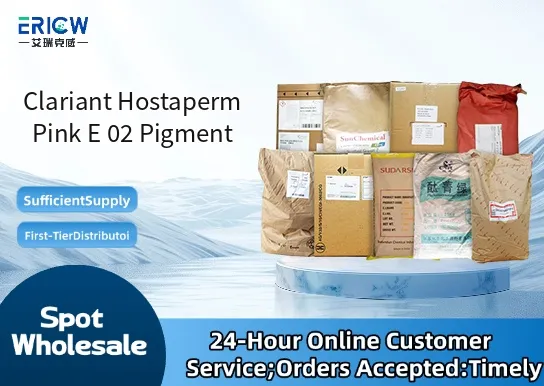
High chroma, clean pink shade with excellent color strength and transparency.
Outstanding thermal stability suitable for high-temperature processing up to 280 °C.
Good lightfastness and weather resistance in demanding outdoor applications.
Excellent migration resistance in PVC, polyolefins, and engineering plastics.
Compliant with major global regulatory frameworks including EU REACH and US FDA (for indirect food contact).
Automotive interior and exterior plastic components.
Packaging films and rigid containers requiring vibrant, stable pink hues.
Household appliances and consumer electronics housings.
Wire and cable insulation for telecommunications and energy sectors.
Industrial coatings and powder coatings for metal substrates.
| Chemical Type | Quinacridone derivative |
| Product Form | Free-flowing powder |
| Appearance | Reddish pink powder |
| Primary Applications | Plastics (PVC, PP, PE, ABS, PC), coatings, inks |
| Key Features | High transparency, excellent dispersion, low dusting |
| Benefits | Consistent batch-to-batch color match, low viscosity impact in masterbatches |
| Regulatory Status | REACH registered; compliant with ISO 9001 manufacturing standards |
| Storage Conditions | Store in cool, dry place below 30 °C; protect from moisture and direct sunlight |
Q1: What is the primary chemical class of Hostaperm Pink E 02?
A: Hostaperm Pink E 02 is a high-performance quinacridone-based organic pigment, offering excellent hue strength, clean pink shade, and inherent thermal and light stability typical of this pigment family.
Q2: Is this pigment suitable for use in polyolefin applications such as PP and PE?
A: Yes, Hostaperm Pink E 02 is widely used in polyolefins due to its good dispersion behavior, resistance to blooming, and ability to withstand typical processing temperatures encountered during extrusion and injection molding.
Q3: How does Hostaperm Pink E 02 perform under outdoor weathering conditions?
A: It exhibits very good to excellent lightfastness and weather resistance, particularly when properly stabilized and compounded — making it suitable for demanding exterior applications where long-term color retention is required.
Q4: Can this pigment be used in food-contact plastics?
A: Hostaperm Pink E 02 is not certified for direct food-contact applications. Its suitability for indirect food-contact use depends on final formulation, processing conditions, and regulatory evaluation by the end-user — consultation with Clariant’s regulatory team and local compliance authorities is strongly recommended.
Q5: What are typical dosage levels for achieving full opacity in plastic masterbatches?
A: Dosage varies depending on polymer type, desired shade intensity, and opacity requirements, but it is typically used at low concentrations — generally ranging from 0.1% to 2% by weight in final plastic products.
Contact With Us:
E-mail: wangxingqiang@ericwchem.com
Have a Questions? Call Us:
Add:
Building A1, Jiete Industrial Park, Huangpu District, Guangzhou City, Guangdong Province, China