English
 Español
 tiếng việt
 русский
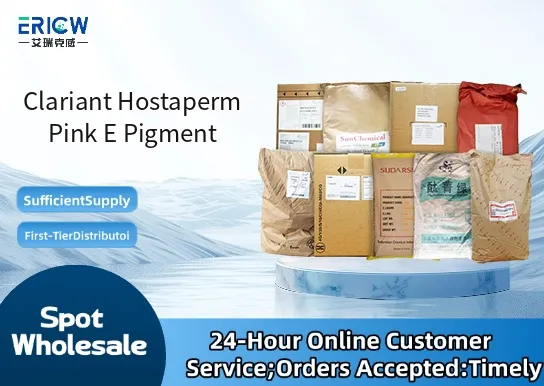
High thermal stability suitable for processing temperatures up to 280 °C
Excellent lightfastness and weather resistance in outdoor applications
Good migration resistance in PVC, polyolefins, and engineering plastics
Consistent batch-to-batch color reproducibility and high tinctorial strength
Compliant with major global regulatory frameworks including EU REACH and US FDA indirect food contact requirements (for applicable polymers)
Coloration of rigid and flexible PVC for building & construction profiles
Transparent and opaque polypropylene (PP) and polyethylene (PE) packaging films
Automotive interior components requiring long-term UV stability
Household appliances and consumer electronics housings
Masterbatch production for injection molding and extrusion processes
| Chemical Type | Quinacridone derivative |
| Product Form | Free-flowing powder |
| Appearance | Reddish pink powder |
| Primary Applications | PVC, PP, PE, ABS, PS |
| Key Features | Thermally stable, non-bleeding, high chroma |
| Benefits | Low dusting, excellent dispersibility, low volatility |
| Recommended Processing Method | Compounding via twin-screw extruder or high-shear mixer |
| Storage Conditions | Store in cool, dry place below 30 °C; keep container tightly closed |
Q1: What is the primary chemical class of Hostaperm Pink E?
A: Hostaperm Pink E is a high-performance quinacridone-based organic pigment, known for its excellent lightfastness, weather resistance, and thermal stability in demanding polymer applications.
Q2: Is Hostaperm Pink E suitable for food-contact plastics?
A: Hostaperm Pink E is not pre-approved for direct food-contact applications under major global regulatory frameworks. Its use in food-contact plastics requires full formulation-level compliance assessment by the end-user, including migration testing and regulatory review per applicable jurisdiction.
Q3: Which polymers is Hostaperm Pink E most commonly processed into?
A: This pigment demonstrates strong compatibility and dispersion stability in engineering thermoplastics such as polyamide (PA), polybutylene terephthalate (PBT), and polyethylene terephthalate (PET), especially in applications requiring high-temperature processing and long-term color retention.
Q4: How does Hostaperm Pink E perform under outdoor exposure?
A: As a quinacridone derivative, Hostaperm Pink E offers very good to excellent resistance to UV radiation and atmospheric conditions—making it well-suited for exterior-grade plastic parts where long-term hue stability and minimal fading are critical.
Q5: What is the typical dosage range for Hostaperm Pink E in polymer masterbatches?
A: Dosage depends on the desired shade strength and final application requirements, but it is generally used at low concentrations—typically ranging from 0.1% to 2% by weight in masterbatch formulations.
Contact With Us:
E-mail: wangxingqiang@ericwchem.com
Have a Questions? Call Us:
Add:
Building A1, Jiete Industrial Park, Huangpu District, Guangzhou City, Guangdong Province, China