English
 Español
 tiếng việt
 русский
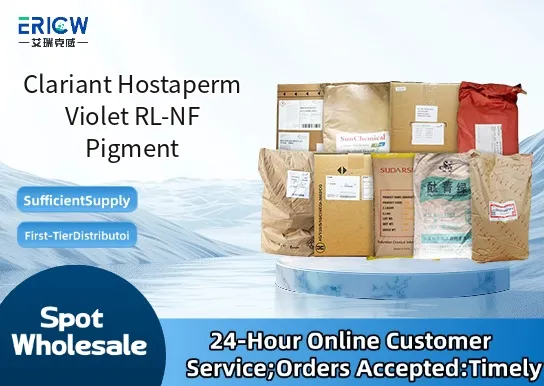
High chroma and excellent lightfastness in demanding outdoor applications.
Outstanding thermal stability suitable for high-temperature polymer processing (up to 280 °C).
Good dispersibility in both polar and non-polar media, including polyolefins and engineering plastics.
Low migration and bleed resistance in PVC, flexible vinyl, and masterbatch systems.
Compliant with major global regulatory frameworks including REACH and FDA 21 CFR for food-contact plastics (subject to formulation and processing conditions).
Polyolefin packaging films and containers requiring vibrant violet shade and UV durability.
Automotive interior trims and dashboards where color consistency and heat resistance are critical.
Flexible PVC cables and wire insulation requiring low extractability and long-term color retention.
Engineering plastics such as ABS, PC, and PBT used in consumer electronics housings.
Masterbatches for injection-molded and blow-molded industrial parts.
| Chemical Type | Quinacridone derivative |
| Product Form | Free-flowing powder |
| Appearance | Deep reddish violet powder |
| Primary Applications | Polyolefins, PVC, engineering plastics, masterbatches |
| Key Features | High transparency, excellent weathering resistance, good processability |
| Benefits | Consistent batch-to-batch color, low dust generation, optimized for extrusion and injection molding |
| Recommended Carrier Resin | LDPE or PP-based carrier for masterbatch production |
| Storage Conditions | Store in original sealed packaging at 15–25 °C, protected from moisture and direct sunlight |
Q1: What is the primary chemical class of Hostaperm Violet RL-NF?
A: Hostaperm Violet RL-NF is a high-performance perylene-based organic pigment, belonging to the perylene diimide family, known for exceptional lightfastness, thermal stability, and resistance to migration in demanding polymer applications.
Q2: Is this pigment suitable for food-contact plastics?
A: Hostaperm Violet RL-NF is not approved for direct food-contact applications under major global regulatory frameworks. It is intended for non-food-contact industrial and decorative uses, including automotive interior parts, technical textiles, and engineering plastics where high durability is required.
Q3: How does it perform in polyolefin processing at elevated temperatures?
A: This pigment demonstrates excellent thermal stability during polyolefin processing, maintaining color integrity and dispersion quality even under extended residence times and typical extrusion or injection molding conditions up to 280 °C.
Q4: What is the recommended dosage range for optimal color strength and dispersion?
A: Dosage depends on the specific formulation and desired shade intensity, but it is typically used at low concentrations—generally ranging from 0.1% to 2% by weight—due to its high tinctorial strength and efficient dispersion characteristics in compatible polymer matrices.
Contact With Us:
E-mail: wangxingqiang@ericwchem.com
Have a Questions? Call Us:
Add:
Building A1, Jiete Industrial Park, Huangpu District, Guangzhou City, Guangdong Province, China