English
 Español
 tiếng việt
 русский
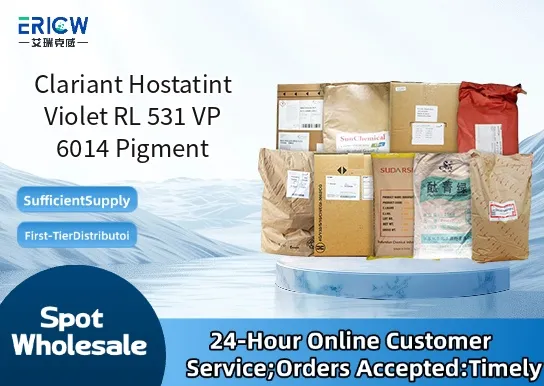
High chroma violet shade with excellent lightfastness and weather resistance.
Optimized dispersibility in aqueous and solvent-based systems for consistent color development.
Low volatility and non-migrating performance, suitable for demanding regulatory environments.
Compliant with major global food contact and toy safety standards (e.g., FDA 21 CFR, EN 71-3).
Stable thermal profile enabling use in high-temperature polymer processing (up to 220 °C).
Polypropylene (PP) and polyethylene (PE) packaging films requiring vibrant, stable violet hues.
Injection-molded consumer goods, including household appliances and personal care containers.
Coated paper and board for premium cosmetic and pharmaceutical packaging.
Water-based inks for flexible packaging gravure and flexo printing.
Masterbatch formulations for automotive interior components where UV stability is critical.
| Chemical Type | High-performance organic pigment (quinacridone derivative) |
| Product Form | Free-flowing powder |
| Appearance | Violet to reddish-violet fine powder |
| Primary Applications | Polyolefins, water-based inks, coatings, masterbatches |
| Key Features | Good heat stability, low extractables, high tinctorial strength |
| Benefits | Consistent batch-to-batch color, minimal filter clogging, low dust generation |
| Regulatory Compliance | FDA 21 CFR §178.3297, EU Directive 2002/72/EC (as amended), REACH registered |
| Storage Conditions | Store in cool, dry place below 30 °C; protect from moisture and direct sunlight |
Q1: What is the primary application field for Hostatint Violet RL 531 VP 6014?
A: This pigment is specifically developed for high-performance coloration of polyolefins—especially polypropylene (PP) and polyethylene (PE)—in applications requiring excellent thermal stability, dispersion, and lightfastness, such as automotive interior parts, technical components, and durable consumer goods.
Q2: Is this pigment suitable for food-contact plastics?
A: Hostatint Violet RL 531 VP 6014 is not pre-qualified for direct food-contact applications under major global regulatory frameworks. Its use in food-contact materials requires full formulation-level compliance assessment by the end user, including migration testing and regulatory review per applicable regional requirements.
Q3: How does this pigment perform during high-temperature processing of polyolefins?
A: It exhibits very good thermal stability, enabling reliable coloration during standard polyolefin processing—including injection molding and extrusion—at temperatures up to approximately 280 °C without significant hue shift or degradation.
Q4: What is the typical dosage range in polyolefin masterbatches?
A: Dosage depends on the desired shade intensity and final application requirements, but it is typically used at low concentrations—generally ranging from 0.1% to 2% by weight in the final compound—and is commonly incorporated via masterbatch for optimal dispersion control.
Contact With Us:
E-mail: wangxingqiang@ericwchem.com
Have a Questions? Call Us:
Add:
Building A1, Jiete Industrial Park, Huangpu District, Guangzhou City, Guangdong Province, China