English
 Español
 tiếng việt
 русский
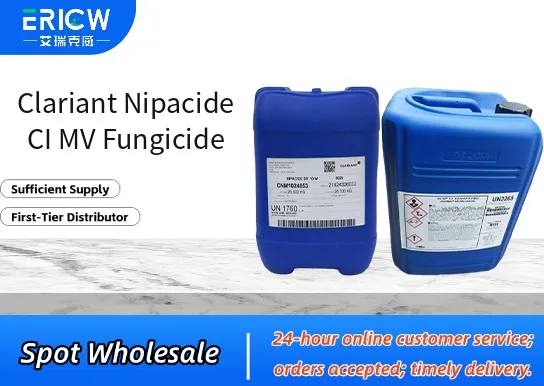
Broad-spectrum biocidal activity against bacteria, fungi, and algae in water-based systems.
Stable across a wide pH range (pH 4–10), ensuring consistent performance in diverse formulations.
Low volatility and non-volatile active ingredients, supporting safe handling and reduced emission concerns.
Compatible with common industrial surfactants, thickeners, and co-biocides for synergistic preservation.
Designed for low-foaming applications, ideal for high-shear and recirculating industrial processes.
Preservation of water-based metalworking fluids and coolants.
Microbial control in industrial process waters, including closed-loop cooling systems.
Protection of waterborne paints, coatings, and architectural finishes during storage and application.
Stabilization of adhesives, sealants, and construction chemicals against spoilage.
Preservation of textile auxiliaries and dyeing baths in wet processing applications.
| Chemical Type | Mixture of isothiazolinones and benzisothiazolinone derivatives |
| Product Form | Clear to slightly hazy aqueous liquid |
| Appearance | Colorless to pale yellow liquid |
| pH (1% aqueous solution) | 3.5 – 5.5 |
| Density (20 °C) | 1.08 – 1.12 g/cm³ |
| Solubility | Completely miscible with water |
| Primary Applications | Industrial water treatment, metalworking fluids, waterborne coatings, adhesives, textiles |
| Key Features | Broad-spectrum efficacy, pH stability, low foam, formulation compatibility |
Q1: What is the primary mode of action of Nipacide CI MV?
A: Nipacide CI MV functions as a broad-spectrum fungicide through inhibition of microbial cell wall synthesis and disruption of membrane integrity, delivering effective control against common spoilage fungi and yeasts in water-based industrial systems.
Q2: In which types of formulations is Nipacide CI MV typically used?
A: It is widely applied in water-miscible industrial products such as metalworking fluids, latex paints, adhesives, construction chemicals, and cleaning concentrates—particularly where long-term preservation against fungal growth is required under varying pH and temperature conditions.
Q3: Is Nipacide CI MV compatible with common biocides used for bacterial control?
A: Yes, Nipacide CI MV demonstrates good compatibility with many isothiazolinone- and formaldehyde-releasing biocides, enabling synergistic broad-spectrum preservation strategies—compatibility should always be verified in the final formulation under intended use conditions.
Q4: How should Nipacide CI MV be dosed in a typical application?
A: Dosage depends on formulation requirements, challenge level, and regulatory considerations; it is typically used at low concentrations, generally ranging from 0.1% to 2% by weight of the final product, with optimal levels determined through preservative efficacy testing.
Contact With Us:
E-mail: wangxingqiang@ericwchem.com
Have a Questions? Call Us:
Add:
Building A1, Jiete Industrial Park, Huangpu District, Guangzhou City, Guangdong Province, China