English
 Español
 tiếng việt
 русский
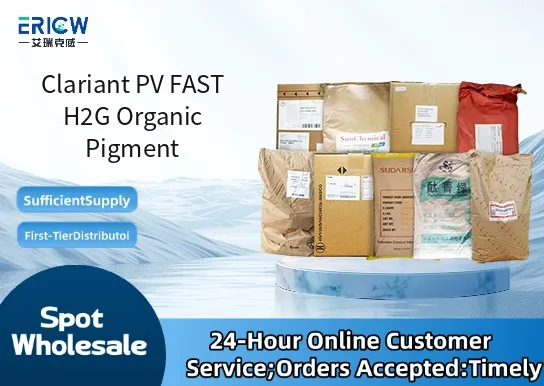
High thermal stability suitable for processing temperatures up to 280 °C.
Excellent lightfastness (ISO 105-B02: Grade 7–8) in demanding outdoor applications.
Outstanding migration resistance in PVC, polyolefins, and styrenic polymers.
Consistent batch-to-batch color reproducibility and narrow hue distribution.
Low volatile organic compound (VOC) content, supporting sustainable manufacturing compliance.
Coloration of rigid and flexible PVC profiles, pipes, and flooring.
Pigmentation of polypropylene (PP) and polyethylene (PE) injection-molded parts.
Masterbatch formulation for automotive interior trims and dashboards.
Coloring of polystyrene (PS) and ABS for consumer electronics housings.
Use in wire & cable jacketing compounds requiring long-term UV and heat resistance.
| Chemical Type | Quinacridone derivative |
| Product Form | Free-flowing powder |
| Appearance | Red-violet crystalline powder |
| Primary Applications | PVC, polyolefins, styrenics, engineering plastics |
| Key Features | Heat stability, lightfastness, migration resistance |
| Benefits | Reduced rework, extended product lifetime, regulatory compliance (REACH, RoHS) |
| Particle Size (D50) | 0.08–0.12 µm |
| Specific Surface Area | 45–55 m²/g |
Q1: What is the primary application field for PV FAST H2G?
A: PV FAST H2G is a high-performance organic pigment primarily developed for demanding plastic coloration applications—especially in polyolefins (e.g., PP and PE), engineering thermoplastics, and masterbatch systems where excellent heat stability, lightfastness, and dispersion behavior are required.
Q2: Is PV FAST H2G suitable for food-contact plastics?
A: PV FAST H2G is not pre-approved for direct food-contact applications under global regulatory frameworks. Its suitability must be evaluated case-by-case based on the final formulation, processing conditions, and applicable regional regulations—including migration testing if required.
Q3: How does PV FAST H2G perform under high-temperature processing?
A: This pigment exhibits very good thermal stability, enabling reliable use in high-temperature polymer processing such as injection molding and extrusion of polyolefins and engineering plastics—typically up to 280–300 °C depending on residence time and matrix.
Q4: What is the typical dosage range when using PV FAST H2G in polyolefin masterbatches?
A: Dosage depends on the desired shade strength and application requirements, but it is typically used at low concentrations—generally ranging from 0.1% to 2% by weight in final plastic articles, with masterbatch concentrations often adjusted between 10% and 40%.
Contact With Us:
E-mail: wangxingqiang@ericwchem.com
Have a Questions? Call Us:
Add:
Building A1, Jiete Industrial Park, Huangpu District, Guangzhou City, Guangdong Province, China