English
 Español
 tiếng việt
 русский
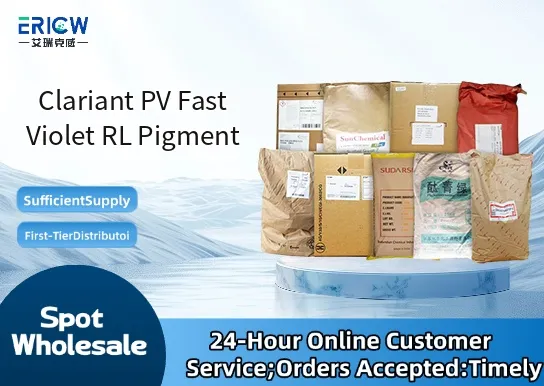
High tinctorial strength with excellent color purity and bluish-violet shade.
Outstanding lightfastness and weather resistance for long-term outdoor performance.
Good thermal stability up to 220 °C, suitable for high-temperature polymer processing.
Excellent migration resistance in PVC, polyolefins, and engineering plastics.
Optimized dispersibility in both aqueous and solvent-based systems.
Polyvinyl chloride (PVC) profiles, cables, and flooring.
Polyolefin fibers and injection-molded automotive interior parts.
Engineering plastics including ABS and polycarbonate for consumer electronics housings.
Masterbatches for color concentrate manufacturing.
Industrial coatings requiring high chroma and durability.
| Chemical Type | Quinacridone derivative (CI Pigment Violet 19) |
| Product Form | Free-flowing powder |
| Appearance | Violet to bluish-violet fine powder |
| Primary Applications | PVC, polyolefins, ABS, polycarbonate, industrial coatings |
| Key Features | High lightfastness (ISO 105-B02: ≥7), excellent heat stability, low volatility |
| Benefits | Consistent batch-to-batch color match, low dust generation, REACH-compliant |
| Regulatory Status | EU REACH registered; compliant with FDA 21 CFR §178.3297 (for indirect food contact) |
| Recommended Processing Temperature Range | 160–220 °C |
Q1: What are the primary application areas for PV Fast Violet RL?
A: PV Fast Violet RL is widely used in high-performance industrial coatings, automotive refinishes, and plastic coloration—particularly where excellent lightfastness, thermal stability, and clean violet hue are required. It is also suitable for select ink systems demanding strong tinting strength and good dispersibility.
Q2: How does PV Fast Violet RL perform under elevated processing temperatures?
A: This pigment exhibits good thermal stability and is suitable for standard melt-processing conditions in polyolefins, PS, ABS, and engineering plastics. It maintains color integrity during typical extrusion and injection molding without significant decomposition or hue shift.
Q3: Is PV Fast Violet RL compatible with common organic solvent-based and water-based coating systems?
A: Yes—it demonstrates good compatibility and dispersion stability in both solvent-borne systems (e.g., esters, ketones, aromatic hydrocarbons) and aqueous dispersions when properly formulated with appropriate surfactants or dispersing agents.
Q4: What is the recommended approach for achieving optimal dispersion of PV Fast Violet RL?
A: Optimal dispersion is achieved using high-shear mixing or bead milling, especially in liquid systems. Pre-wetting with compatible carriers and selecting dispersants tailored to the resin matrix significantly improve color development, gloss, and consistency.
Q5: Does PV Fast Violet RL contain heavy metals or restricted substances?
A: PV Fast Violet RL is a high-purity organic pigment free from intentionally added heavy metals such as lead, mercury, cadmium, or hexavalent chromium. Its composition complies with major global regulatory expectations for general industrial use, though final compliance depends on full formulation and end-use context.
Contact With Us:
E-mail: wangxingqiang@ericwchem.com
Have a Questions? Call Us:
Add:
Building A1, Jiete Industrial Park, Huangpu District, Guangzhou City, Guangdong Province, China