English
 Español
 tiếng việt
 русский
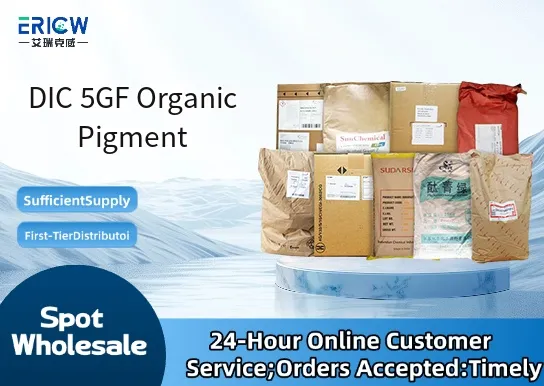
High chroma and excellent color strength for vivid, consistent hue reproduction.
Outstanding thermal stability suitable for high-temperature processing up to 280°C.
Good lightfastness (Grade 7–8 per ISO 105-B02) and weather resistance in outdoor applications.
Excellent dispersibility in both polar and non-polar polymer systems.
Low volatile organic compound (VOC) content, supporting eco-friendly formulation requirements.
Automotive interior and exterior plastic components (PP, ABS, PC blends).
Engineering plastics for consumer electronics housings and connectors.
Masterbatch production for fiber and film applications.
High-performance industrial coatings requiring durability and gloss retention.
Food-contact-compliant packaging films (subject to local regulatory approval and proper migration testing).
| Chemical Type | Quinacridone derivative |
| Product Form | Free-flowing powder |
| Appearance | Red-violet fine powder |
| Primary Applications | Plastics, masterbatches, coatings |
| Key Features | Thermally stable, high tinting strength, low migration |
| Benefits | Consistent batch-to-batch color, ease of dispersion, regulatory compliance support |
| Recommended Processing Temperature Range | 180–280°C |
| Regulatory Status | REACH compliant; RoHS compliant; FDA status available upon request |
Q1: What is the primary application field for DIC 5GF Organic Pigment?
A: DIC 5GF is a high-performance organic pigment specifically developed for demanding plastic coloration applications, particularly in polyolefins (e.g., PP and PE), engineering thermoplastics, and masterbatch systems where excellent heat stability, dispersion behavior, and color strength are required.
Q2: How does DIC 5GF perform under high-temperature processing conditions?
A: DIC 5GF exhibits good thermal stability suitable for standard melt-processing temperatures of common thermoplastics. It maintains color integrity and shows minimal decomposition or blooming when processed within typical extrusion and injection molding temperature ranges.
Q3: Is DIC 5GF suitable for food-contact plastic applications?
A: DIC 5GF is not pre-approved for food-contact use by default. Its suitability depends on final formulation, processing conditions, and compliance verification against applicable regional regulations (e.g., FDA 21 CFR, EU Plastics Regulation). Customers must conduct full regulatory assessment and migration testing as part of their qualification process.
Q4: What is the recommended dosage range for optimal performance in polyolefin masterbatches?
A: Dosage depends on desired shade depth, polymer type, and processing method, but DIC 5GF is typically used at low concentrations due to its high tinctorial strength — generally ranging from 0.1% to 2% by weight in masterbatch formulations.
Q5: How should DIC 5GF be dispersed for best results in thermoplastic compounds?
A: For optimal dispersion and color development, DIC 5GF should be incorporated using high-shear compounding techniques — such as twin-screw extrusion with adequate residence time and controlled temperature profile — and is commonly supplied in free-flowing powder or pre-dispersed pellet form to support consistent feeding and mixing.
Contact With Us:
E-mail: wangxingqiang@ericwchem.com
Have a Questions? Call Us:
Add:
Building A1, Jiete Industrial Park, Huangpu District, Guangzhou City, Guangdong Province, China