English
 Español
 tiếng việt
 русский
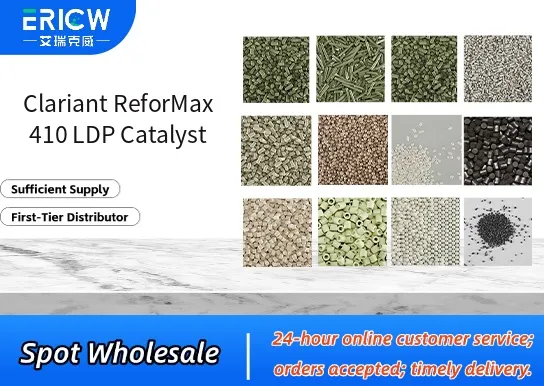
Highly selective low-deactivation platinum-based formulation for extended cycle lengths.
Optimized for liquid-phase hydrodechlorination of chlorinated hydrocarbons under mild conditions.
Robust thermal and chemical stability in continuous fixed-bed reactor operation.
Low metal leaching performance, ensuring compliance with stringent product purity requirements.
Eco-efficient design supporting reduced hydrogen consumption and lower waste generation.
Hydrodechlorination of chlorobenzenes to produce high-purity benzene intermediates.
Clean-up of chlorinated solvent streams in pharmaceutical manufacturing.
Treatment of chlorinated effluents in fine chemical synthesis processes.
Dechlorination of chlorinated aliphatic compounds (e.g., chloroethanes, chloropropanes) for polymer-grade feedstocks.
Regulatory-compliant destruction of legacy chlorinated contaminants in specialty chemical recycling.
| Chemical Type | Platinum on high-surface-area activated carbon support |
| Product Form | Extruded cylindrical pellets (1.8–2.2 mm diameter) |
| Appearance | Black, free-flowing granular solid |
| Primary Applications | Liquid-phase hydrodechlorination (HDC) of organochlorides |
| Key Features | Low-deactivation profile, chlorine-tolerant, non-sulfided |
| Benefits | Extended catalyst life, minimal reactor downtime, consistent product quality |
| Storage Conditions | Store in sealed containers under inert atmosphere at ambient temperature |
| Handling Precautions | Avoid exposure to air when fresh; use under nitrogen purge during loading |
Q1: What is the primary function of ReforMax 410 LDP in polyolefin processing?
A: ReforMax 410 LDP is a low-dust, free-flowing peroxide-based catalyst designed to enable controlled rheology modification and molecular weight reduction in polypropylene and certain polyethylene grades during extrusion or compounding.
Q2: How does the LDP (Low-Dust Pellet) formulation improve handling and safety compared to conventional peroxide powders?
A: The LDP form minimizes airborne dust generation during dosing and mixing, reducing operator exposure risk and improving process consistency—especially in automated feeding systems—while maintaining thermal stability suitable for standard polyolefin processing temperatures.
Q3: Is ReforMax 410 LDP compatible with common polyolefin stabilizer packages?
A: Yes, it is formulated to be compatible with widely used hindered phenol antioxidants and phosphite processing stabilizers; however, compatibility should always be verified in the final formulation due to potential interactions with specific metal soaps or secondary stabilizers.
Q4: What are typical dosage ranges for achieving target melt flow rate (MFR) increases in PP homopolymers?
A: Dosage is formulation- and equipment-dependent, but ReforMax 410 LDP is typically used at low concentrations—generally ranging from 0.1% to 2% by weight—depending on the base resin’s initial MFR, desired final MFR, and processing conditions such as temperature and residence time.
Q5: Can ReforMax 410 LDP be used in food-contact or medical-grade polyolefin applications?
A: While the product is designed for high-purity polymer processing, regulatory compliance for food-contact or medical applications depends on full system evaluation—including final compound testing and adherence to applicable regional regulations. Customers must conduct their own suitability assessment and obtain required regulatory clearances.
Contact With Us:
E-mail: wangxingqiang@ericwchem.com
Have a Questions? Call Us:
Add:
Building A1, Jiete Industrial Park, Huangpu District, Guangzhou City, Guangdong Province, China