English
 Español
 tiếng việt
 русский
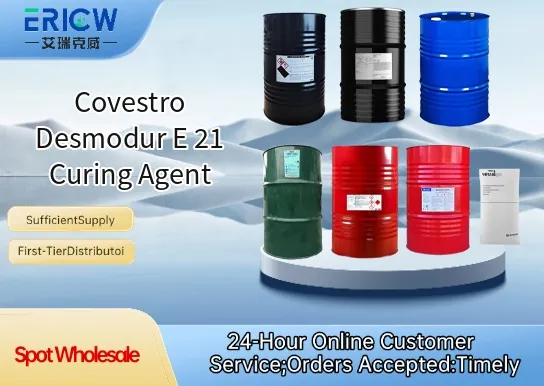
Aliphatic polyisocyanate-based curing agent offering excellent UV stability and minimal yellowing.
Low viscosity enables easy handling, precise metering, and homogeneous mixing with hydroxyl-functional resins.
Provides outstanding chemical resistance and mechanical durability in cured coatings and adhesives.
Compliant with major global regulatory frameworks including REACH and VOC-compliant formulations.
Enables fast ambient or low-bake cure profiles without compromising film hardness or gloss retention.
High-performance automotive clearcoats and basecoat/clearcoat systems.
Industrial maintenance coatings for machinery, metal furniture, and agricultural equipment.
Premium wood finishes requiring clarity, scratch resistance, and long-term weatherability.
Plastic coatings for exterior automotive trim and consumer electronics housings.
Two-component polyurethane adhesives for demanding bonding applications in transportation and composites.
| Chemical Type | Aliphatic polyisocyanate (hexamethylene diisocyanate–based) |
| Product Form | Liquid |
| Appearance | Colorless to pale yellow transparent liquid |
| NCO Content (wt %) | 11.8 – 12.2% |
| Viscosity at 25 °C | 1,000 – 1,400 mPa·s |
| Specific Gravity (20 °C) | 1.17 – 1.19 g/cm³ |
| Solvent Content | Approx. 45% (acetone, ethyl acetate, xylene-free) |
| Storage Stability | ≥12 months at 15–25 °C in sealed original container |
Q1: What is the primary chemical nature of Desmodur E 21?
A: Desmodur E 21 is an aliphatic polyisocyanate based on hexamethylene diisocyanate (HDI), modified to provide a low-viscosity, bi-functional crosslinker suitable for ambient- or heat-cured polyurethane systems.
Q2: Is Desmodur E 21 compatible with common polyol resins used in industrial coatings?
A: Yes — it demonstrates good compatibility with a broad range of hydroxyl-functional resins, including acrylics, polyesters, and alkyds. Its aliphatic structure supports excellent UV stability and gloss retention in final coatings.
Q3: How should Desmodur E 21 be handled to ensure optimal pot life and film performance?
A: To maintain consistent reactivity and shelf life, store under dry, cool conditions and protect from moisture. Pre-mixing with polyols should be done under controlled humidity, and formulated systems are typically used within several hours depending on temperature and catalyst presence.
Q4: Can Desmodur E 21 be used in low-VOC or high-solids coating formulations?
A: Yes — its relatively low viscosity and high functionality allow formulators to achieve high solids content while maintaining workable rheology, supporting VOC reduction strategies without compromising crosslink density or mechanical properties.
Q5: What safety considerations apply during handling and processing?
A: As with all isocyanates, appropriate personal protective equipment (PPE) — including respiratory protection, gloves, and eye protection — is essential. Avoid inhalation of mists or vapors and skin contact; always consult the latest Safety Data Sheet (SDS) before use.
Contact With Us:
E-mail: wangxingqiang@ericwchem.com
Have a Questions? Call Us:
Add:
Building A1, Jiete Industrial Park, Huangpu District, Guangzhou City, Guangdong Province, China