English
 Español
 tiếng việt
 русский
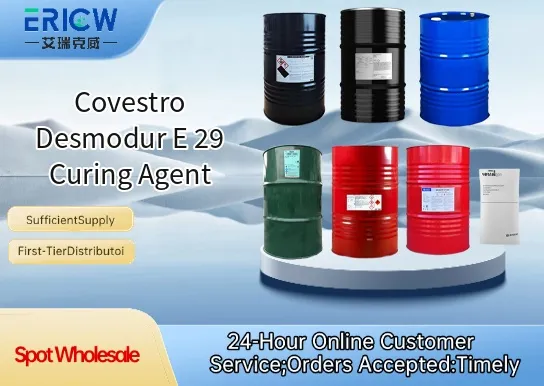
Aliphatic polyisocyanate-based curing agent offering excellent UV stability and color retention.
Low viscosity enables easy handling, precise metering, and improved formulation compatibility.
Provides outstanding chemical resistance and mechanical performance in cured coatings.
Designed for ambient- and low-bake cure systems, enhancing energy efficiency in industrial processes.
Complies with stringent VOC regulations and supports sustainable coating formulations.
High-performance automotive clearcoats and topcoats requiring gloss and durability.
Industrial maintenance coatings for machinery, rail vehicles, and agricultural equipment.
Plastic coatings for exterior automotive parts and consumer electronics housings.
Architectural metal coatings exposed to harsh weather and UV radiation.
Wood coatings for premium furniture and interior paneling demanding clarity and hardness.
| Chemical Type | Aliphatic polyisocyanate (hexamethylene diisocyanate–based) |
| Product Form | Liquid |
| Appearance | Colorless to pale yellow, transparent liquid |
| NCO Content (wt. %) | 15.5 – 16.5 |
| Viscosity (25 °C, mPa·s) | 800 – 1,200 |
| Density (20 °C, g/cm³) | 1.17 – 1.21 |
| Flash Point (PMCC, °C) | 135 – 145 |
| Primary Applications | Two-component polyurethane coatings (2K PU) |
Q1: What is the primary chemical nature of Desmodur E 29?
A: Desmodur E 29 is an aliphatic polyisocyanate based on hexamethylene diisocyanate (HDI), modified to provide a low-viscosity, bi-functional crosslinker suitable for ambient- or heat-cured two-component polyurethane systems.
Q2: Is Desmodur E 29 compatible with hydroxyl-functional acrylics and polyesters?
A: Yes — it is widely used as a curing agent for hydroxyl-terminated resins in high-performance coatings, offering excellent compatibility, good pot life, and robust film properties including UV stability and chemical resistance.
Q3: How does Desmodur E 29 compare to trimerized HDI isocyanates in terms of reactivity and film formation?
A: As a bi-functional HDI derivative, Desmodur E 29 offers lower crosslink density and slower reaction kinetics than HDI trimers, resulting in extended working time and improved flow/leveling — particularly beneficial in applications requiring high-gloss, defect-free finishes.
Q4: What storage conditions are recommended to maintain product stability?
A: Store in tightly sealed original containers under dry, cool conditions (ideally below 30 °C) and protect from moisture, direct sunlight, and prolonged exposure to elevated temperatures to prevent premature dimerization or viscosity increase.
Contact With Us:
E-mail: wangxingqiang@ericwchem.com
Have a Questions? Call Us:
Add:
Building A1, Jiete Industrial Park, Huangpu District, Guangzhou City, Guangdong Province, China